April 1, 2026
Common Seat Frame Manufacturing Challenges and How Pipe Bending Services Solve Them

Team Pipe Processing
Seat frame manufacturing demands precision, consistency, and structural integrity. Whether used in automotive seating, office furniture, or public transit, even small production errors can lead to costly defects, failed quality checks, and delayed timelines.
Many manufacturers struggle with recurring issues in tube bending and fabrication—ranging from inaccurate angles to material deformation. These challenges increase scrap rates and put pressure on production efficiency.
Understanding these pain points—and how specialized pipe bending and fabrication services address them—can significantly improve both product quality and operational performance.
Key Challenges in Seat Frame Manufacturing
Maintaining Tight Tolerances
Seat frames must meet highly precise dimensional requirements to ensure proper alignment during assembly and long-term performance. Even a slight variation in bend angle, radius, or tube length can create downstream issues such as misaligned joints, unstable seating structures, or difficulty integrating with other components.
In high-volume manufacturing environments, maintaining consistent tolerances across thousands of parts becomes increasingly difficult. Manual processes or outdated machinery often introduce variability, especially when dealing with complex geometries. Over time, these small inconsistencies accumulate, leading to rework, rejected parts, and reduced production efficiency.
Material Deformation and Structural Weakness
During the bending process, metal tubes are subjected to significant stress. Without proper support and control, this can lead to deformation issues such as ovalization (flattening of the tube), wrinkling on the inner radius, or even cracking in extreme cases.
These defects are not just cosmetic—they directly impact the structural integrity of the seat frame. Weak points in the frame can reduce load-bearing capacity and compromise safety, particularly in applications like automotive seating where durability is critical. Thin-walled tubes and tight bend radii make this challenge even more pronounced.
Springback and Inconsistent Results
Springback is a natural material behavior where the metal partially returns to its original shape after bending. This effect varies depending on the material type, thickness, and bending method used.
For manufacturers, uncontrolled springback leads to inconsistent bend angles and dimensional inaccuracies. Operators may need to rely on repeated adjustments and trial-and-error to achieve the desired result, which slows down production and increases labor costs. Over time, this inconsistency can affect product quality and make it difficult to standardize processes.
High Scrap Rates and Material Waste
Inefficient bending and fabrication processes often result in a high percentage of defective parts. Whether due to incorrect setup, material handling errors, or inconsistent bending results, these defects translate directly into scrap.
High scrap rates not only waste raw materials but also increase production costs and reduce overall profitability. Additionally, excessive waste can disrupt production schedules, as manufacturers must compensate for lost parts by increasing output or reordering materials.
Complex Design Requirements
Modern seat frames are becoming more sophisticated, driven by ergonomic design, weight reduction goals, and integration with advanced components. These designs often require multiple bends in different planes, tight radii, and precise geometrical relationships.
Producing these complex shapes using standard bending techniques can be challenging and time-consuming. Without the right equipment and expertise, manufacturers may struggle to achieve consistency, leading to increased setup times, errors, and limitations in design flexibility.
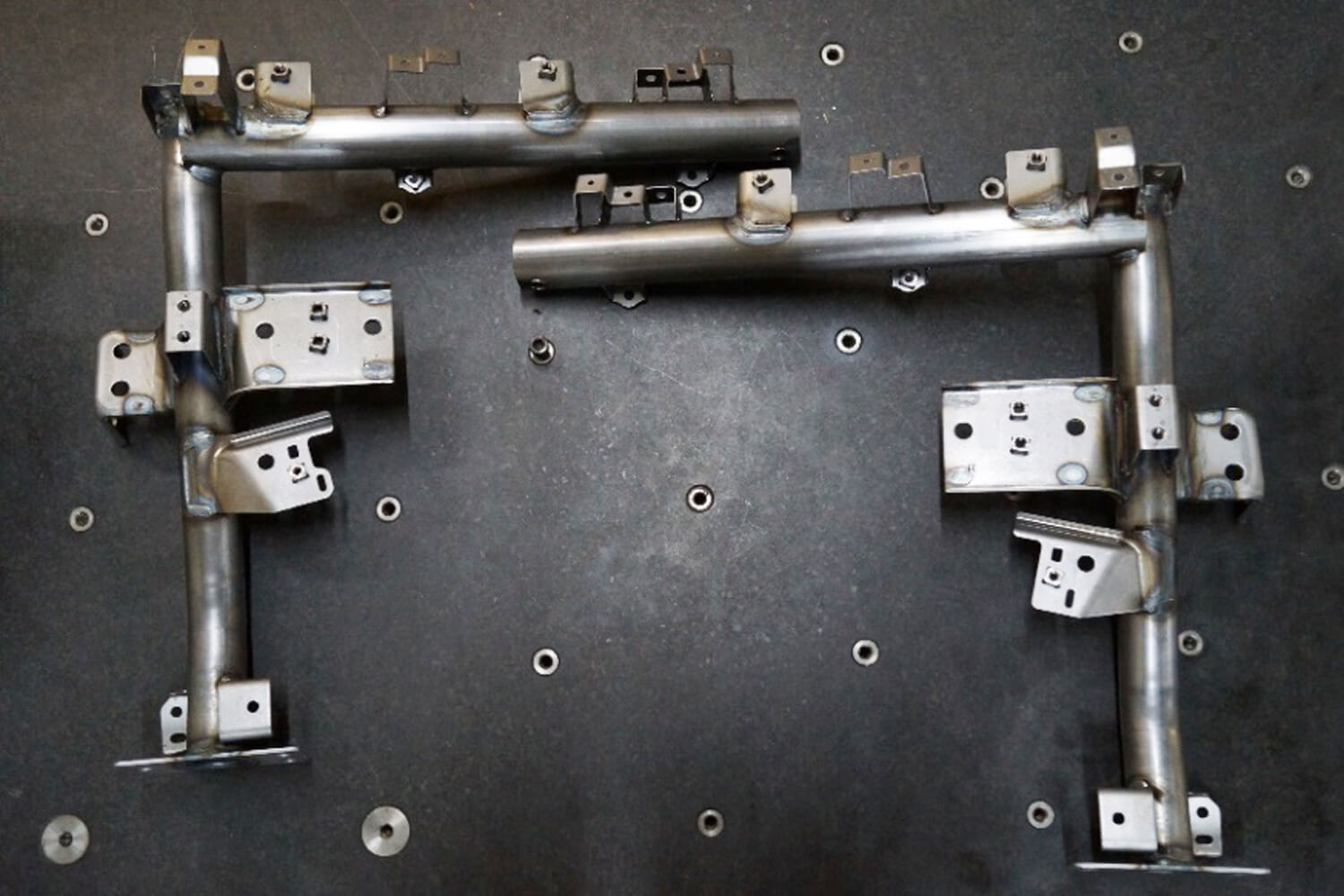
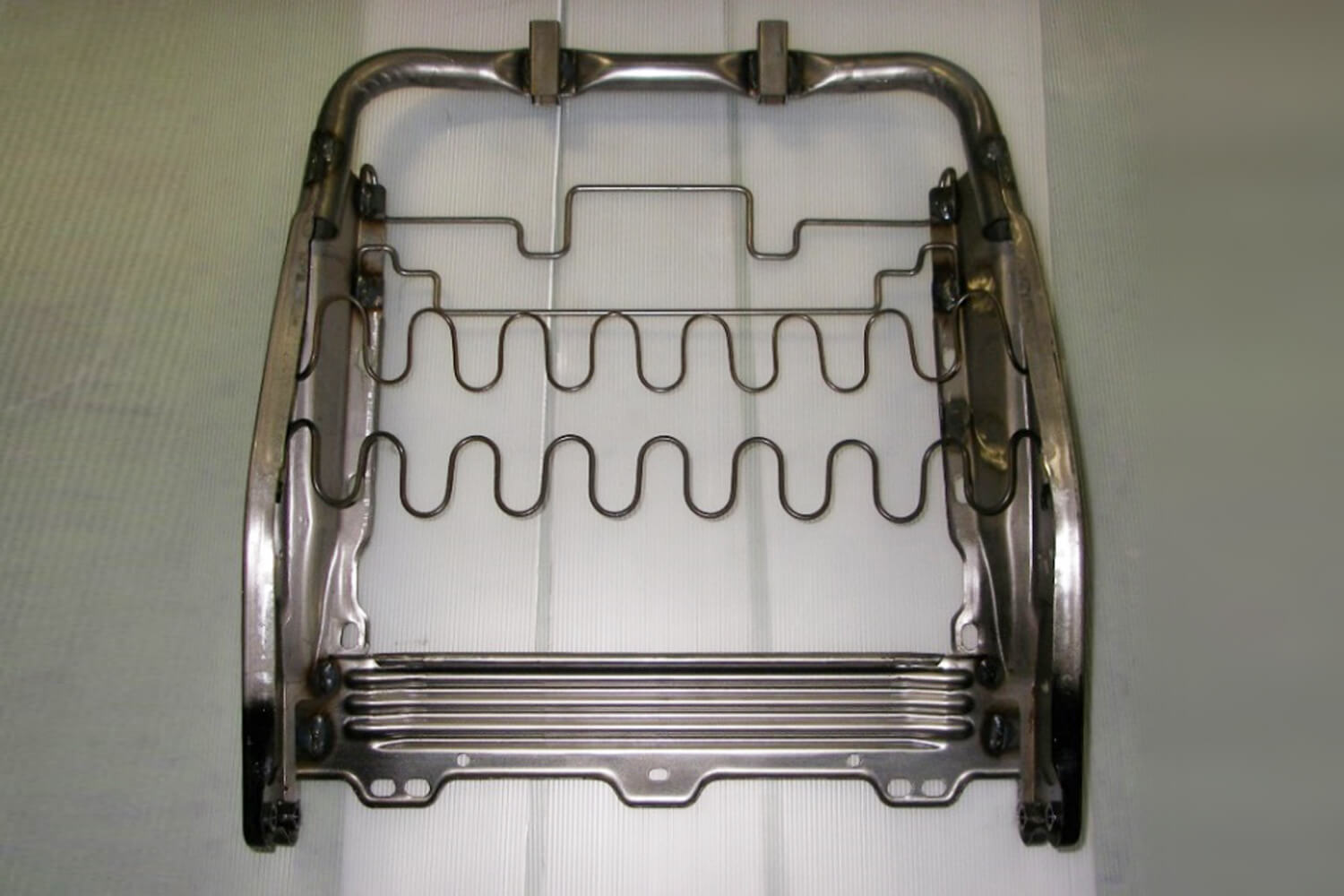
Products: Seat Frames
How Pipe Bending and Fabrication Services Solve These Problems
Precision CNC Bending for Consistent Accuracy
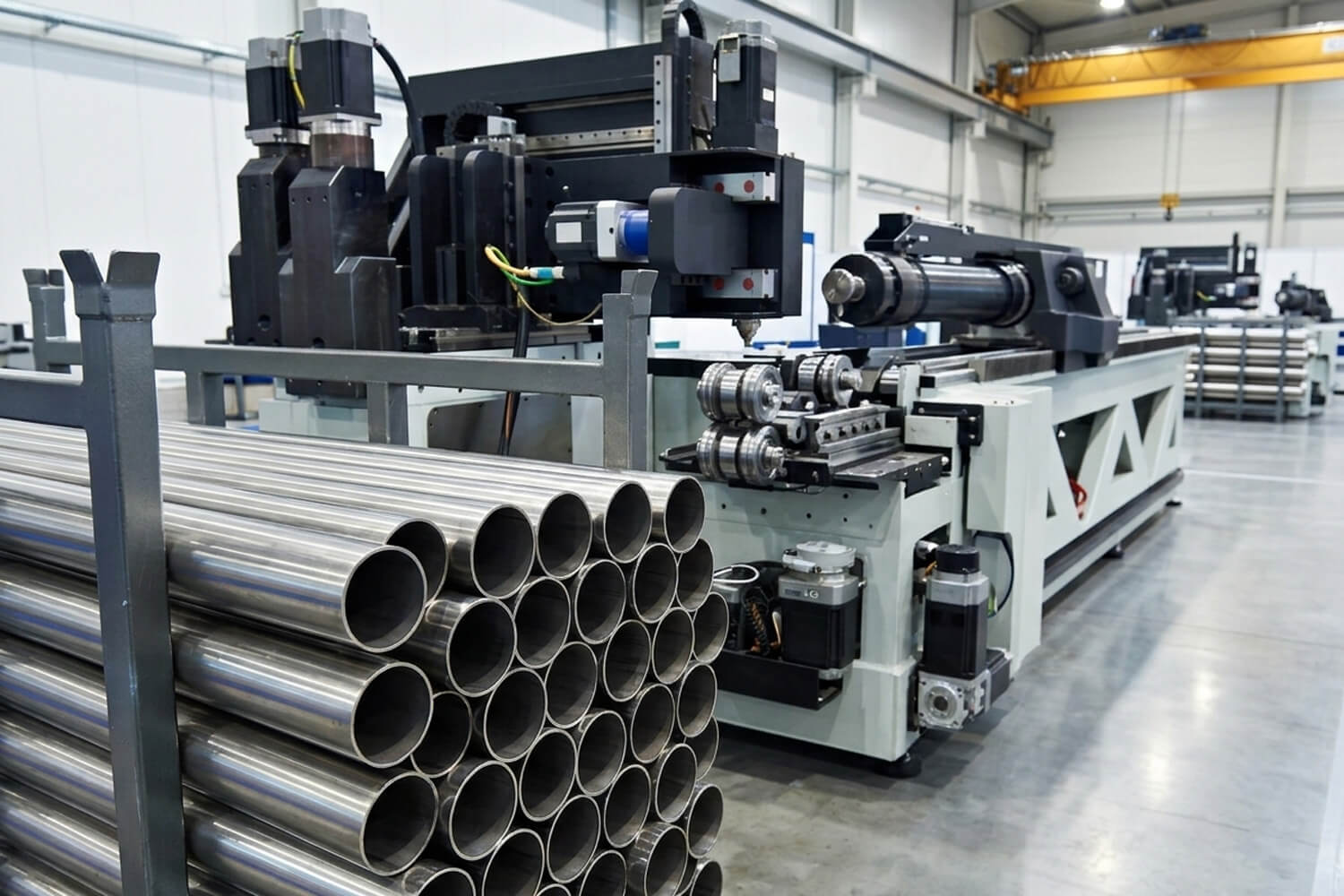
Professional pipe bending service providers utilize CNC (Computer Numerical Control) machines to automate and control the bending process with high precision. These systems ensure that every bend is executed according to exact specifications, regardless of production volume.
By eliminating much of the variability associated with manual processes, CNC bending delivers consistent results across large production runs. This improves part accuracy, reduces assembly issues, and minimizes the need for rework, ultimately enhancing overall manufacturing efficiency.
Mandrel Bending to Prevent Deformation
Mandrel bending is a specialized technique that involves inserting a support tool (mandrel) inside the tube during the bending process. This internal support helps maintain the tube’s shape and prevents common deformation issues such as flattening or wrinkling.
For seat frame manufacturing, where structural integrity is critical, mandrel bending ensures that the tube retains its strength and uniform cross-section. This results in stronger, more reliable components that meet performance and safety standards.
Expert Springback Compensation
Experienced fabrication providers understand how different materials behave during bending and apply precise compensation techniques to counteract springback. By adjusting bend angles, tooling, and process parameters in advance, they can achieve the desired final geometry without repeated trial-and-error.
This expertise not only improves dimensional accuracy but also speeds up production by reducing the need for manual adjustments and corrections. The result is a more predictable and efficient manufacturing process.
Process Optimization to Reduce Waste
Specialized pipe bending services implement optimized workflows, quality control measures, and advanced tooling to minimize errors. By improving process reliability, they significantly reduce the number of defective parts produced.
Lower scrap rates translate into better material utilization, reduced costs, and more sustainable operations. Additionally, consistent output helps manufacturers maintain production schedules and meet delivery deadlines with confidence.
Advanced Capabilities for Complex Geometries
Professional fabrication providers are equipped with multi-axis bending machines and custom tooling that can handle intricate designs with precision. These capabilities allow for the production of complex seat frame geometries that would be difficult or impossible to achieve with standard equipment.
By enabling greater design flexibility, these services support innovation while maintaining manufacturability. Manufacturers can develop more advanced products without compromising on efficiency or quality.
Why Manufacturers Outsource Pipe Bending and Fabrication
Outsourcing pipe bending and fabrication allows manufacturers to improve efficiency without the cost and complexity of managing these processes in-house. Instead of investing in expensive machinery and specialized training, companies can rely on experienced providers who already have the tools and expertise in place.
A major advantage is access to advanced equipment such as CNC and mandrel bending systems. These technologies ensure higher precision and consistency, which can be difficult to achieve with limited internal resources.
Outsourcing also improves production performance:
- Consistent quality with fewer defects and tighter tolerances
- Faster turnaround times due to optimized workflows
- Scalable production based on demand fluctuations
- Reduced internal workload, allowing teams to focus on core operations
In addition, experienced fabrication partners help reduce scrap and rework, leading to lower overall production costs. For many manufacturers, outsourcing is not just a cost-saving decision—it’s a way to improve reliability and stay competitive.
Choosing the Right Fabrication Partner
Selecting the right fabrication partner directly impacts product quality and production efficiency. Not all providers offer the same capabilities, so it’s important to evaluate them carefully.
Start with their experience and specialization. A partner familiar with seat frame manufacturing or similar applications will better understand tolerance requirements and structural demands.
Next, review their technical capabilities. Look for:
- CNC bending for precision and repeatability
- Mandrel bending to prevent deformation
- Ability to handle complex, multi-plane designs
Quality control is another critical factor. A reliable partner should have clear inspection processes in place to ensure consistency across all parts.
You should also consider how well they support your project:
- Can they handle custom designs and changes?
- Do they communicate clearly and respond quickly?
- Do they have a proven track record of reliable delivery?
Choosing the right partner goes beyond equipment—it’s about working with a team that can consistently deliver accurate, high-quality results while supporting your long-term production goals.
Conclusion
Seat frame manufacturing presents a range of technical challenges that can impact both product quality and operational efficiency. From maintaining tight tolerances to managing material behavior during bending, each step in the process requires precision and expertise.
By leveraging professional pipe bending and fabrication services, manufacturers can overcome these challenges, reduce waste, and achieve consistent, high-quality results. In a competitive market, this level of reliability and efficiency can make a significant difference in both performance and profitability.
Looking to improve your seat frame manufacturing process?
Work with Pipe Processing Technical Institute, a trusted pipe bending and fabrication partner, to enhance precision, reduce costs, and scale your production with confidence.
Share it!