February 1, 2026
Modern Pipe Bending Techniques: Improves Structural Integrity in Industrial Applications

Team Pipe Processing
In pipe fabrication and construction, structural integrity is critical to the safety and performance of finished systems. Pipes, beams, and tubular frameworks must retain their strength and dimensional accuracy even after bending or shaping. Modern pipe bending techniques have transformed how engineers and fabricators approach industrial projects, allowing for greater precision while preserving material strength. By understanding how these pipe bending methods affect structural integrity, professionals can design safer, more efficient, and longer-lasting systems.
Why Structural Integrity Matters in Pipe Fabrication
Structural integrity refers to a material’s ability to withstand mechanical stress, internal pressure, and environmental forces without failure. In pipe fabrication, improper pipe bending techniques can lead to cracks, wall thinning, ovality, or dimensional distortion, all of which reduce load-bearing capacity and service life.
In applications such as automotive frames, HVAC systems, architectural structures, and industrial piping, maintaining structural integrity during the pipe bending process is essential to ensure safety, reliability, and compliance with engineering standards.
Modern Pipe Bending Techniques Used in Structural Fabrication
Modern pipe bending techniques are designed to maintain dimensional accuracy, minimize material deformation, and preserve structural integrity across a wide range of industrial applications. Each method offers specific advantages depending on pipe material, wall thickness, bend radius, and performance requirements.
1. Mandrel Pipe Bending for Structural Integrity
Mandrel bending uses a flexible mandrel inserted into the pipe during the bending process to prevent collapse, wrinkling, or excessive ovality. This technique allows for tight-radius pipe bends while maintaining consistent wall thickness and internal geometry. Mandrel pipe bending is especially effective for thin-walled tubing and high-strength materials where maintaining structural integrity is critical.
2. Rotary Draw Pipe Bending
Rotary draw bending delivers highly precise and repeatable pipe bends with minimal cross-sectional deformation. Commonly used in automotive frames, handrails, and structural supports, this method tightly controls bend radius and rotation speed. As a result, rotary draw pipe bending minimizes internal stress concentrations and helps preserve long-term structural performance.
3. Roll Pipe Bending for Large-Radius Applications
Roll bending gradually forms pipes using a series of adjustable rollers, making it ideal for large-radius bends. This pipe bending technique is frequently used for arches, pipelines, and industrial frames where smooth curvature is required. By distributing stress evenly along the bend, roll pipe bending reduces the risk of weak points that could compromise structural integrity.
4. Compression Pipe Bending
Compression bending forms bends by pressing the pipe against a fixed die. While simpler than mandrel or rotary draw methods, modern compression pipe bending uses precision tooling to achieve consistent results with controlled deformation. This technique is well suited for heavy-duty structural applications where moderate bend radii are acceptable.
5. Induction Pipe Bending for High-Strength Materials
Induction pipe bending applies localized heating to soften the material at the bend point, allowing high-strength or thick-walled pipes to be shaped without compromising mechanical properties. This method is widely used in pipelines and large-scale industrial structures, as it preserves tensile strength while enabling complex bend geometries and tight tolerances.
Benefits of Modern Pipe Bending Techniques in Structural Applications
Modern pipe bending techniques provide significant advantages in fabrication and construction by improving strength, accuracy, and efficiency throughout the manufacturing process. These benefits directly impact the performance and reliability of structural systems.
Preserves Material Strength
Advanced pipe bending methods minimize wall thinning, cracking, and cross-sectional deformation, helping maintain the original mechanical properties of the material.
Improves Load-Bearing Capacity
Properly bent pipes retain structural integrity under mechanical stress, internal pressure, and environmental loads, making them suitable for demanding industrial applications.
Enables Complex and Precise Designs
Modern pipe bending techniques allow for tight-radius bends, complex geometries, and custom configurations without compromising safety or structural performance.
Reduces Material Waste and Rework
Precision-controlled bending processes reduce scrap rates, minimize rejected components, and lower overall fabrication costs.
Enhances Project Efficiency and Consistency
CNC-controlled equipment and automated pipe bending systems increase production speed while ensuring repeatable accuracy and consistent quality across large-scale projects.
Comparison of Pipe Bending Techniques for Structural Applications
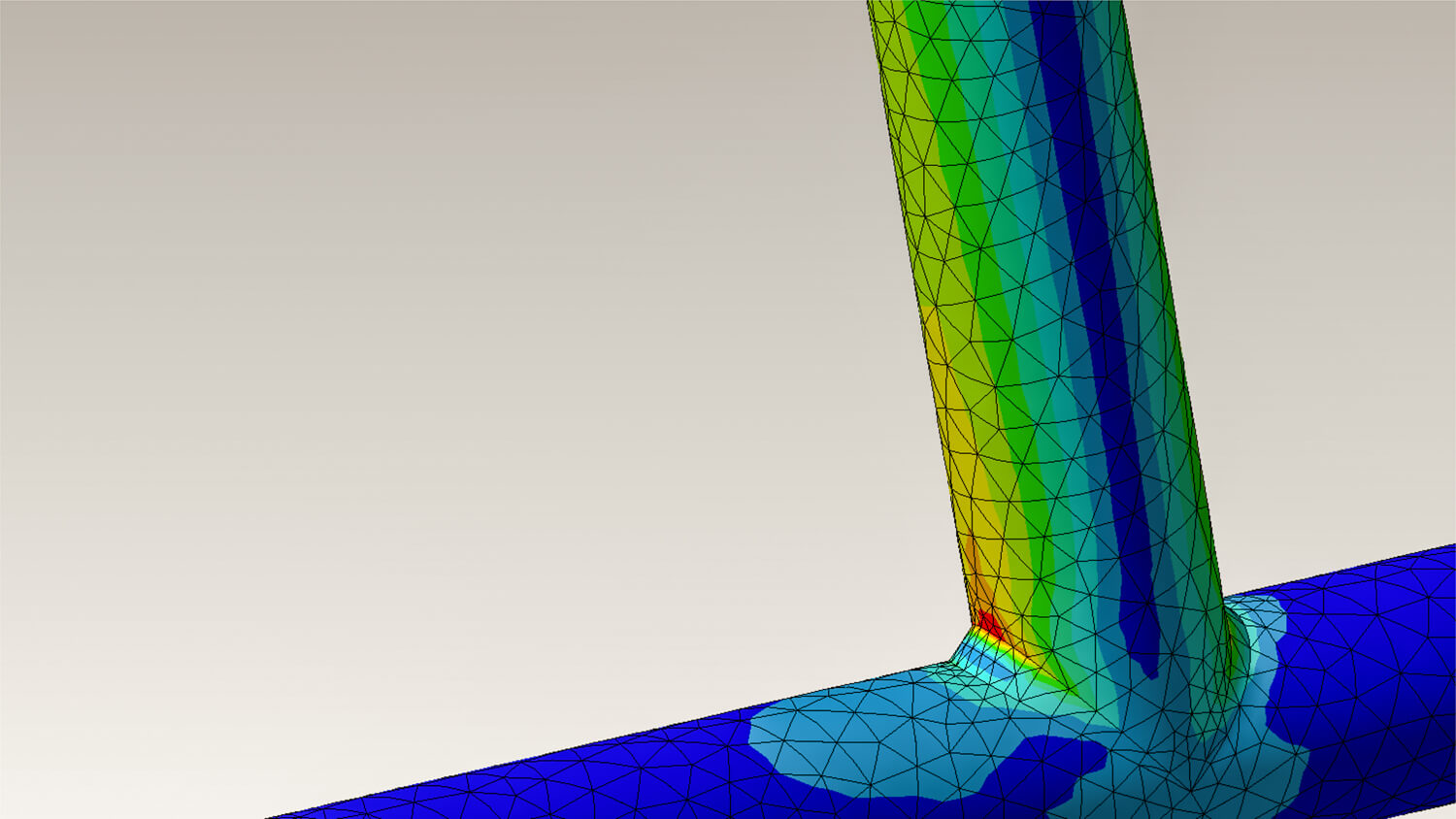
Selecting the right pipe bending technique is essential for maintaining structural integrity, controlling deformation, and meeting performance requirements in industrial fabrication. The following table compares common pipe bending methods based on wall integrity, achievable bend radius, typical applications, and relative cost considerations.
| Technique | Wall Integrity | Minimum Bend Radius | Best Use Case | Cost Level |
|---|---|---|---|---|
| Mandrel Bending | Excellent | Very Tight | Thin-walled pipes, high-strength applications | High |
| Rotary Draw Bending | Excellent | Tight | Automotive, handrails, structural supports | Medium-High |
| Roll Bending | Very Good | Large | Large-radius bends, industrial frames | Medium |
| Compression Bending | Good | Moderate | Heavy-duty structures, general fabrication | Low-Medium |
| Induction Bending | Excellent | Tight-Moderate | Pipelines, high-strength industrial systems | High |
Practical Tips for Engineers and Fabricators Using Pipe Bending Techniques
To achieve optimal results in structural applications, engineers and fabricators must apply pipe bending techniques correctly throughout the fabrication process. The following best practices help maintain structural integrity, accuracy, and long-term performance.
- Choose the Right Pipe Bending Technique for Your Material
Not all pipe bending methods are suitable for every material. Evaluate wall thickness, pipe diameter, alloy composition, and strength requirements before selecting a bending process. - Control Bend Radius and Bending Speed
Precise control of bend radius and forming speed reduces stress concentrations, minimizes deformation, and preserves structural integrity. - Inspect Pipes After Bending
Non-destructive testing (NDT), such as ultrasonic or radiographic inspection, helps detect internal defects and ensures the pipe meets structural and safety standards. - Leverage Automation and CNC Technology
CNC bending machines provide repeatable accuracy, reduce human error, and improve consistency across production runs. - Collaborate with Experienced Fabricators
Working with professionals experienced in modern pipe bending techniques ensures efficiency, compliance, and safety in complex or high-risk projects.
Conclusion: Maximizing Structural Integrity with Modern Pipe Bending Techniques
Modern pipe bending techniques are not just a fabrication convenience—they are essential for preserving structural integrity in industrial, commercial, and architectural applications. By selecting the appropriate bending method, engineers and fabricators can achieve precise, consistent bends, maintain material strength, and ensure the long-term reliability of pipes and tubular structures.
Integrating these advanced pipe bending methods into your projects helps reduce material waste, improve load-bearing performance, and meet stringent industry standards. Whether working on pipelines, HVAC systems, automotive frames, or structural frameworks, understanding and applying modern pipe bending techniques is critical for creating safe, efficient, and durable systems.
Share it!
Discuss Pipe Bending, Fabrication Project & Possibilities
From technical questions to custom fabrication needs, we’re here to help. Whether you’re exploring materials, need support with FRP or R&D, or just have feedback—reach out and start the conversation.