July 1, 2026
Top Causes of Hydraulic System Failure in Heavy Equipment

Team Pipe Processing
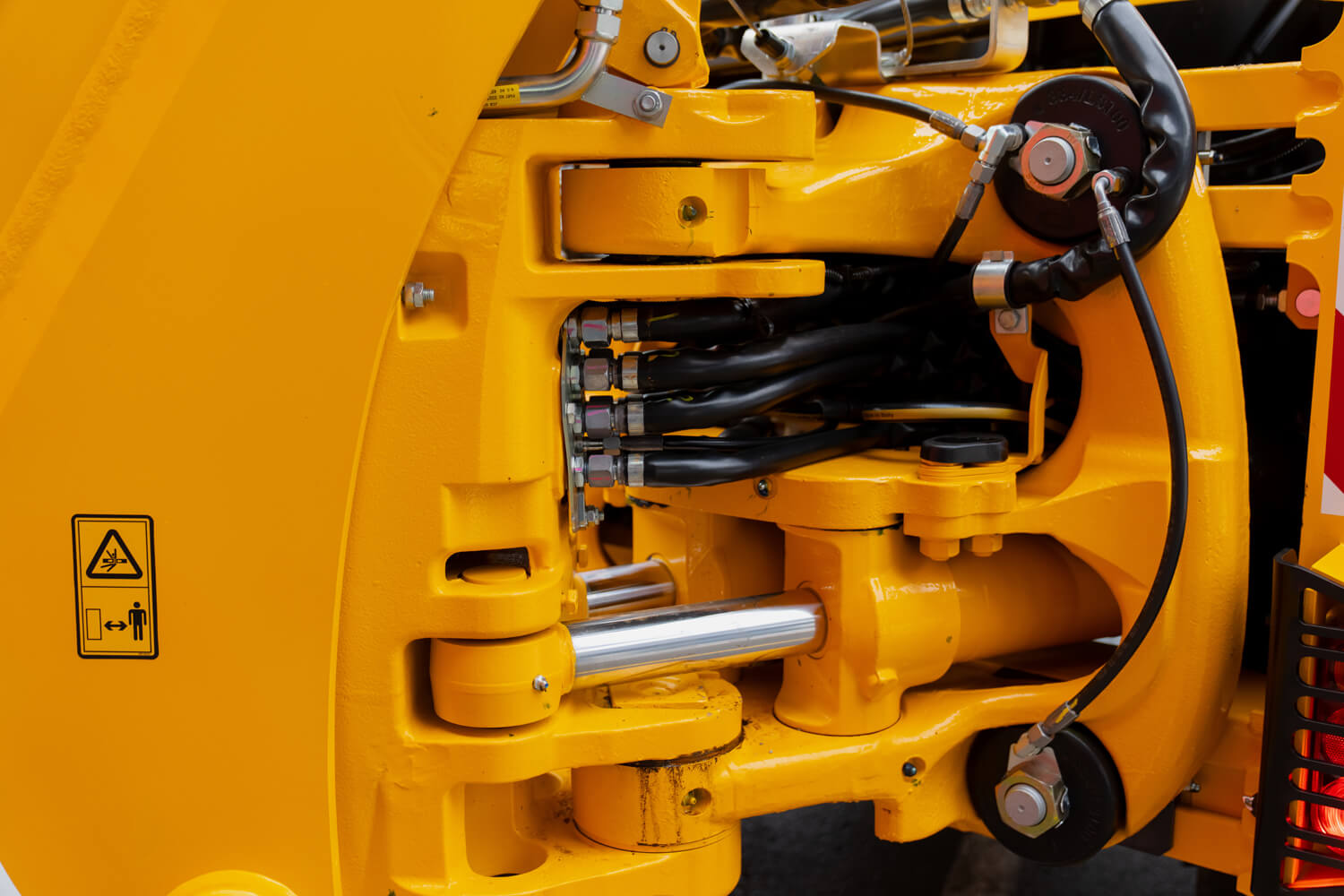
Hydraulic systems are the backbone of heavy equipment used in construction, agriculture, mining, and industrial operations. From excavators and wheel loaders to forklifts and dozers, these systems rely on precise hydraulic pressure and fluid flow to deliver reliable performance. However, even minor issues within a hydraulic system can lead to equipment downtime, costly repairs, and reduced productivity.
Understanding the most common causes of hydraulic system failure can help equipment owners and maintenance teams prevent unexpected breakdowns and extend machinery lifespan.
Hydraulic Contamination
Contaminated hydraulic fluid is one of the leading causes of hydraulic system failure in heavy equipment. Dirt, metal particles, moisture, and air can enter the system through damaged seals, poor maintenance practices, or contaminated replacement fluids.
When contamination builds up, it can damage pumps, valves, cylinders, and hydraulic lines. Over time, abrasive particles create excessive wear inside critical components, reducing efficiency and increasing the risk of complete system failure.
Common signs of hydraulic contamination include:
- Slow or inconsistent machine movement
- Unusual hydraulic noise
- Overheating
- Premature component wear
- Reduced hydraulic pressure
Proper filtration, scheduled fluid changes, and regular inspections are essential to maintaining clean hydraulic systems. High-quality hydraulic piping and leak-free fabrication also help minimize contamination risks in demanding applications.
Hydraulic Fluid Leaks
Leaks are another major cause of hydraulic system failure in heavy equipment. Hydraulic systems operate under high pressure, and even small leaks can reduce efficiency, increase operating costs, and create safety hazards.
Leaks often occur due to:
- Damaged hydraulic pipes or hoses
- Loose fittings
- Worn seals
- Corrosion
- Poor pipe bending or fabrication quality
In heavy-duty environments, vibration and constant pressure cycling place significant stress on hydraulic lines. Precision-bent hydraulic piping designed for high-pressure applications can improve reliability and reduce leak points.
Overheating
Hydraulic systems generate heat during operation, but excessive temperatures can quickly damage hydraulic components and fluid integrity. Overheated hydraulic fluid loses viscosity, reducing lubrication and increasing internal wear.
Common causes of overheating include:
- Low hydraulic fluid levels
- Dirty filters
- Restricted flow
- Excessive pressure
- Poor cooling system performance
When hydraulic systems consistently operate above recommended temperatures, seals may harden, hoses can deteriorate, and pumps may fail prematurely.
Routine maintenance and proper hydraulic system design help control operating temperatures and improve long-term equipment reliability.
Improper Hydraulic Pipe Design or Fabrication
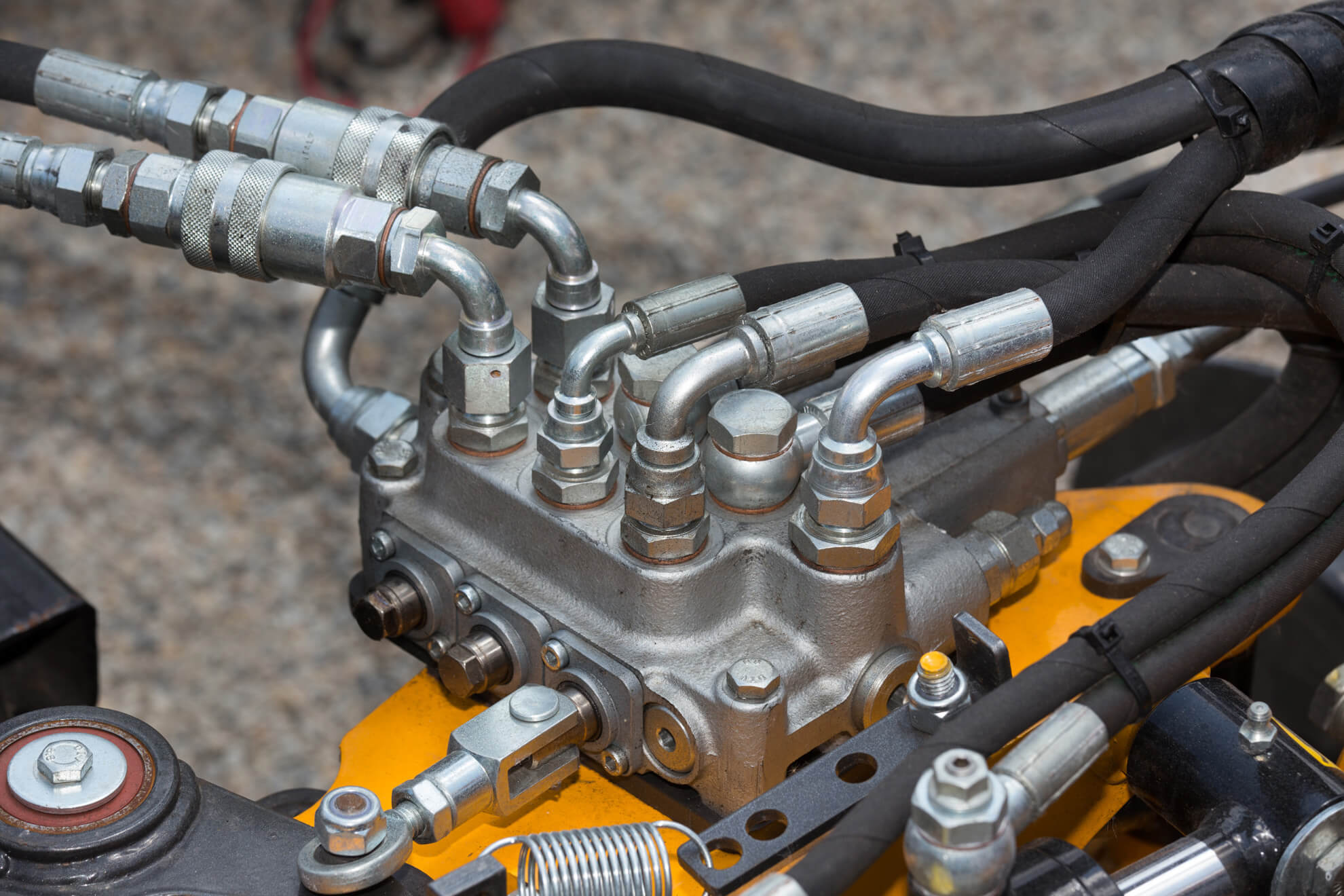
Hydraulic piping plays a critical role in fluid delivery and pressure control. Poorly fabricated pipes, incorrect bend radiuses, or low-quality welds can create weak points within the system.
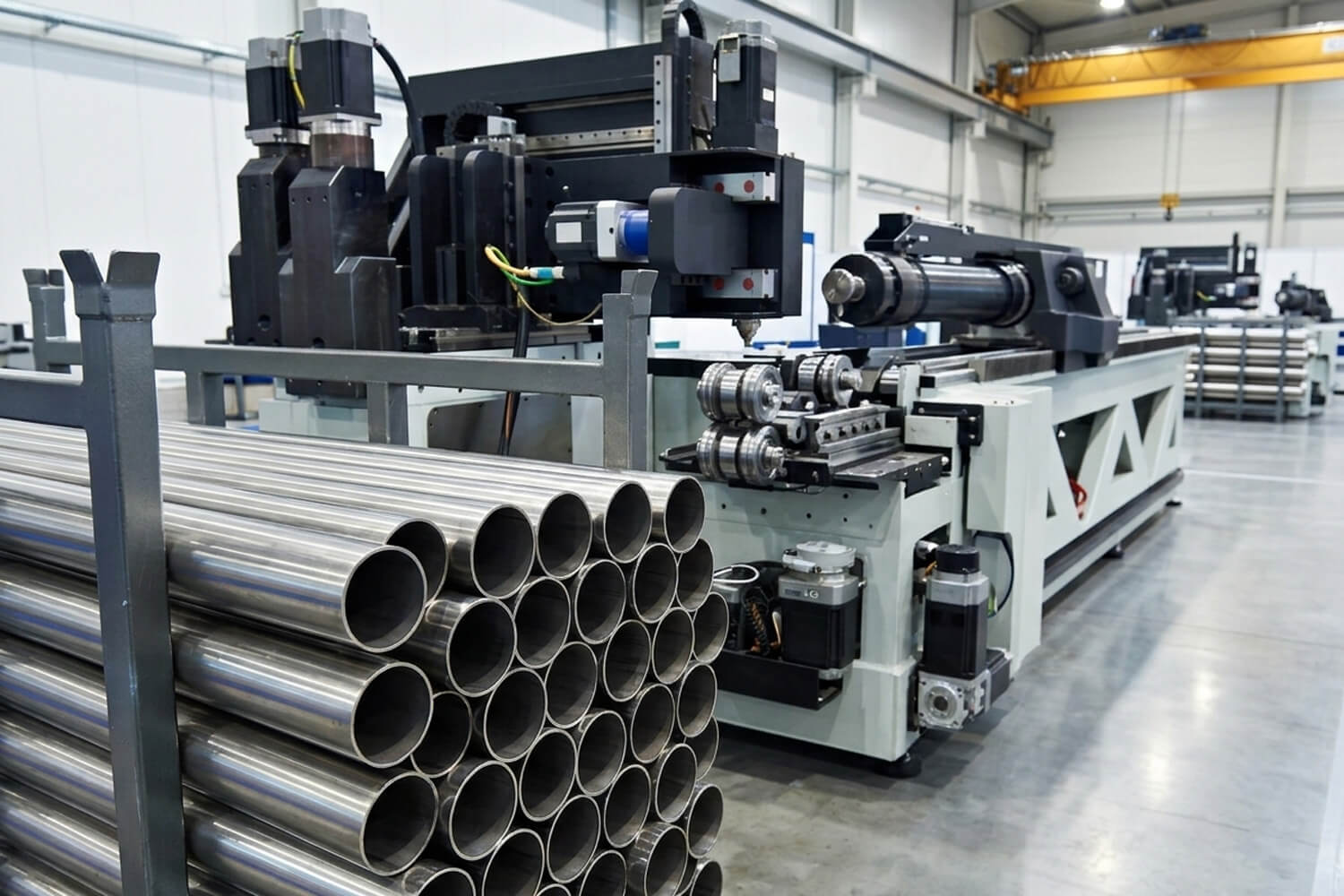
In heavy equipment applications, hydraulic pipes must withstand vibration, pressure fluctuations, and harsh operating conditions. Precision pipe bending and fabrication help maintain proper fluid flow while minimizing stress on hydraulic components. Advanced fabrication techniques such as pressure testing, leak inspection, and accurate tube bending improve system durability and performance.
Air Entrapment and Cavitation
Air entering a hydraulic system can cause cavitation, a condition where vapor bubbles collapse under pressure and damage internal components. Cavitation often affects hydraulic pumps and can significantly reduce equipment performance.
Symptoms of cavitation include:
- Knocking or whining noises
- Erratic equipment movement
- Reduced lifting power
- Excessive vibration
Air can enter the system through leaking fittings, damaged suction lines, or low fluid levels. Preventing air contamination is critical for maintaining stable hydraulic performance.
Lack of Preventive Maintenance
Many hydraulic failures are preventable with routine maintenance and inspections. Heavy equipment operates in harsh environments where hydraulic systems are exposed to dirt, vibration, heat, and continuous pressure.
Preventive maintenance should include:
- Hydraulic fluid analysis
- Filter replacement
- Leak inspections
- Pressure testing
- Pipe and hose inspections
- Monitoring fluid temperature and pressure
Regular maintenance helps identify small issues before they become major failures, reducing downtime and repair costs.
Poor Quality Hydraulic Components
Using low-quality hydraulic pipes, fittings, or fabricated assemblies can compromise system reliability. Heavy equipment hydraulic systems require durable, precision-manufactured components capable of handling high-pressure conditions.
Manufacturers specializing in hydraulic piping and pipe fabrication for heavy equipment applications often provide better consistency, tighter tolerances, and improved quality control. In-house bending, welding, and pressure testing processes can help ensure long-term performance in demanding environments.
How to Reduce Hydraulic System Failures
Reducing hydraulic system failures starts with proper system design, quality hydraulic piping, and proactive maintenance practices. Heavy equipment operators can improve reliability by:
- Maintaining clean hydraulic fluid
- Replacing worn components early
- Performing regular inspections
- Using precision-fabricated hydraulic piping
- Monitoring operating temperatures and pressure
- Working with experienced hydraulic fabrication specialists
Reliable hydraulic systems are essential for maximizing uptime and maintaining productivity across construction, agricultural, and industrial equipment operations.
For companies operating heavy equipment, investing in high-quality hydraulic piping and fabrication solutions can significantly improve long-term system performance and reduce costly downtime. Companies like Pipe Processing Technical Institute (PPTI) specialize in precision pipe bending, hydraulic piping fabrication, and leak-tested assemblies for demanding heavy equipment applications.
Share it!