September 1, 2026
Signs Your Hydraulic Hoses Need Replacement (Before Failure Happens)

Team Pipe Processing
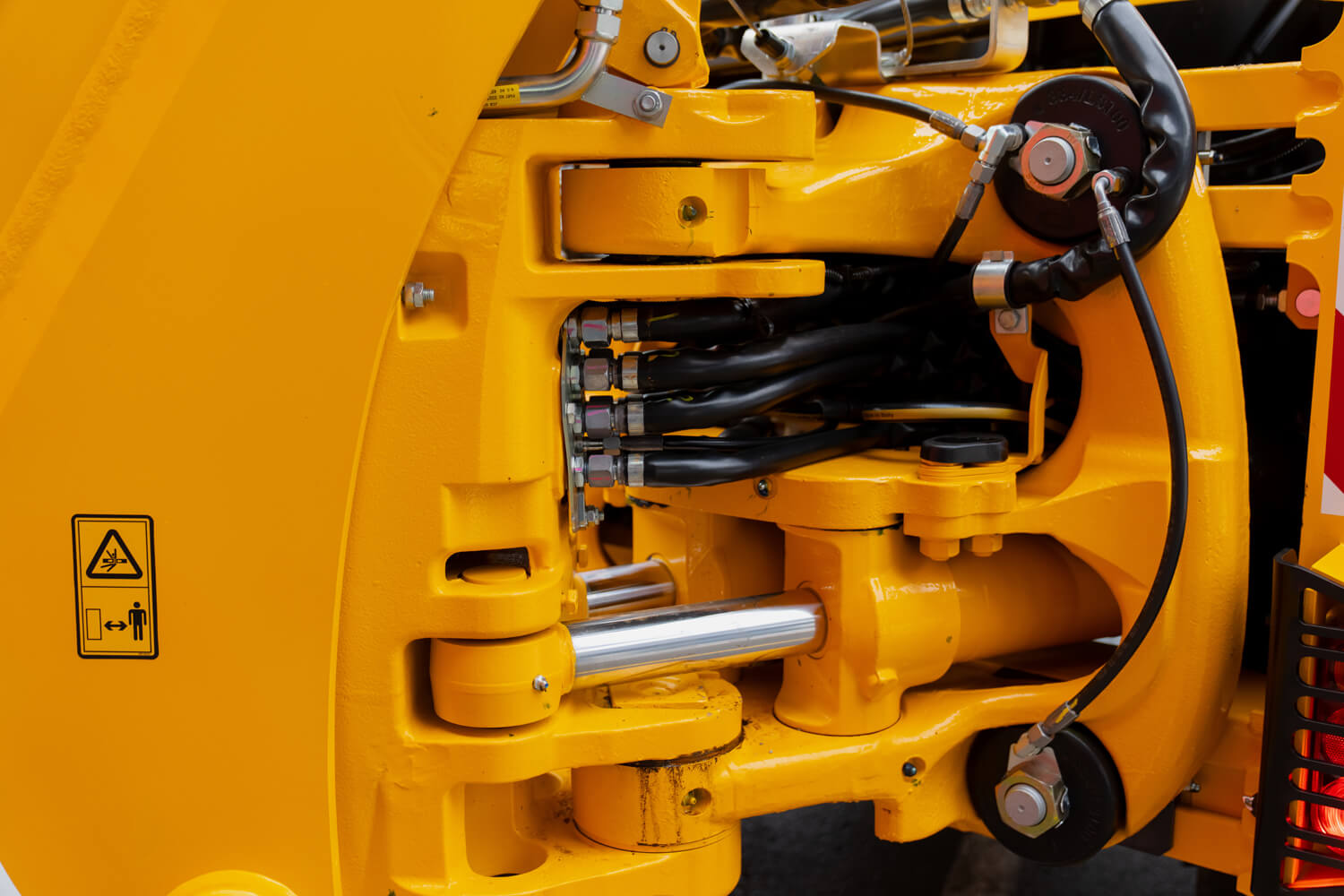
Hydraulic hoses are critical components in heavy equipment, industrial machinery, agricultural equipment, and hydraulic systems. These hoses operate under high pressure and demanding conditions, making regular inspection and timely replacement essential for preventing costly downtime and system failures.
Ignoring early warning signs can lead to hydraulic leaks, pressure loss, equipment damage, and unexpected hose bursts. Understanding when hydraulic hoses need replacement helps improve safety, extend equipment lifespan, and reduce repair costs.
Why Hydraulic Hose Maintenance Matters
Hydraulic hoses transfer pressurized fluid between pumps, cylinders, valves, and other hydraulic components. Over time, constant pressure, vibration, heat, and environmental exposure gradually weaken hose materials.
Risks of Delaying Hydraulic Hose Replacement
Failing hydraulic hoses can cause:
- Hydraulic fluid leaks
- Reduced system pressure
- Equipment downtime
- Component damage
- Safety hazards
- Expensive emergency repairs
Routine inspections and preventive replacement help maintain reliable hydraulic system performance.
Visible Cracks on the Hose Surface
One of the most common warning signs is visible cracking on the hose exterior.
What Causes Hydraulic Hose Cracking
Hydraulic hoses may crack due to:
- Age and wear
- UV exposure
- Extreme temperatures
- Chemical exposure
- Dry rot
Cracked hoses are more vulnerable to leaks and pressure failure, especially in high-pressure systems.
Hydraulic Fluid Leaks Around Fittings
Fluid leaks near hydraulic fittings often indicate hose wear or connection problems.
Common Causes of Hydraulic Hose Leaks
Leaks can develop from:
- Loose fittings
- Damaged hose ends
- Worn seals
- Excessive vibration
- Improper installation
Even small hydraulic leaks can reduce system efficiency and lead to contamination issues.
Bulging or Swollen Hydraulic Hoses
Bulging sections along a hydraulic hose are serious warning signs that internal reinforcement layers may be failing.
Why Hose Bulging Happens
Bulges often result from:
- Excessive operating pressure
- Internal hose damage
- Heat degradation
- Weakening reinforcement layers
A swollen hose can burst unexpectedly and should be replaced immediately.
Abrasion and External Wear
Heavy equipment environments expose hydraulic hoses to constant friction, vibration, and debris.
Signs of Abrasion Damage
Inspect hoses for:
- Worn outer coverings
- Flattened areas
- Exposed reinforcement wire
- Scratches or cuts
Protective routing and proper hose management help reduce abrasion-related failures.
Kinks and Improper Bend Radius
Hydraulic hoses must maintain proper bend radius during operation.
How Kinks Damage Hydraulic Hoses
Kinks can:
- Restrict hydraulic flow
- Increase pressure buildup
- Damage internal reinforcement
- Shorten hose lifespan
Improper routing is a common cause of premature hydraulic hose failure.
Frequent Hydraulic System Overheating
Hydraulic hose problems can contribute to overheating issues within the system.
How Damaged Hoses Affect Hydraulic Performance
Restricted or deteriorating hoses may:
- Reduce hydraulic flow
- Increase fluid friction
- Generate excessive heat
- Lower overall system efficiency
Overheating accelerates wear on hoses, seals, and hydraulic components.
Unusual Hydraulic System Noise
Strange noises within a hydraulic system may indicate hose restrictions or air entering the system.
Common Hydraulic Noise Symptoms
Listen for:
- Whining sounds
- Knocking noises
- Vibrations
- Pressure fluctuations
These symptoms can indicate internal hose damage or developing hydraulic issues.
Hydraulic Hose Age and Service Life
Even if hoses appear functional, age alone can justify replacement.
Why Hose Age Matters
Over time, hydraulic hoses naturally degrade due to:
- Pressure cycling
- Temperature changes
- Environmental exposure
- Fluid contamination
Manufacturers often recommend replacing hydraulic hoses based on service intervals, especially in heavy-duty applications.
Contaminated Hydraulic Fluid
Failing hydraulic hoses can release rubber particles and debris into the hydraulic system.
Signs of Hydraulic Fluid Contamination
Watch for:
- Dirty or cloudy hydraulic fluid
- Unusual discoloration
- Increased filter clogging
- Reduced system performance
Contamination can damage pumps, valves, and other critical hydraulic components.
Importance of Proper Hydraulic Hose Installation
Incorrect installation significantly increases the risk of hose failure.
Common Installation Mistakes
Common issues include:
- Twisted hose routing
- Excessive bending
- Poor clamp placement
- Incorrect hose sizing
- Incompatible fittings
Working with experienced hydraulic fabrication and piping specialists helps improve system reliability and hose lifespan.
Preventive Maintenance for Hydraulic Hoses
Routine inspections are essential for preventing unexpected hydraulic failures.
Hydraulic Hose Inspection Best Practices
Regular maintenance should include:
- Visual hose inspections
- Leak detection
- Checking fittings and clamps
- Monitoring operating pressure
- Inspecting for abrasion and cracks
- Replacing worn hoses proactively
Preventive maintenance reduces downtime and improves overall equipment reliability.
Why Quality Hydraulic Components Matter
High-quality hydraulic hoses, fittings, and fabricated assemblies improve durability and long-term system performance.
Benefits of Professional Hydraulic Fabrication
Precision hydraulic fabrication can provide:
- Improved hose routing
- Reduced vibration stress
- Leak-tested assemblies
- Better pressure handling
- Longer service life
Companies specializing in hydraulic piping and tube fabrication help heavy equipment operators improve hydraulic system performance in demanding environments.
Share it!