July 13, 2026
How to Choose the Right Hydraulic Hose Size and Pressure Rating

Team Pipe Processing
Selecting the correct hydraulic hose size and pressure rating is critical for maintaining safe and efficient hydraulic system performance. In heavy equipment, industrial machinery, agriculture, and construction applications, hydraulic hoses must withstand high pressure, continuous vibration, and demanding operating environments.
Using the wrong hose size or pressure rating can lead to reduced efficiency, overheating, leaks, hose failure, and costly equipment downtime. Understanding the key factors involved in hydraulic hose selection helps ensure long-term reliability and system performance.
Why Hydraulic Hose Selection Matters
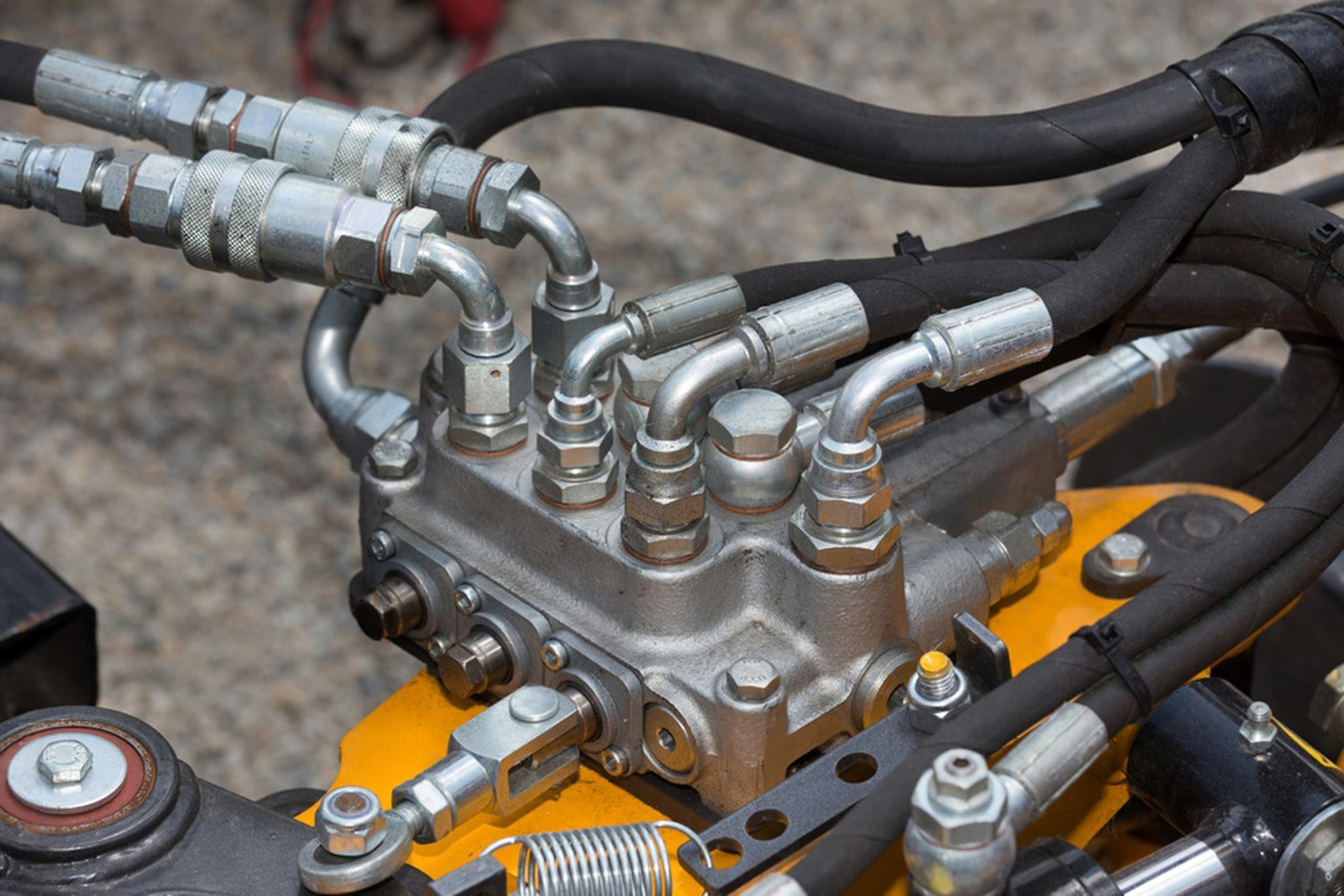
Hydraulic hoses transfer pressurized fluid between pumps, cylinders, valves, and other hydraulic components. Proper hose selection ensures stable fluid flow and safe pressure handling under demanding operating conditions.
Incorrect hose sizing or pressure ratings can cause:
- Reduced hydraulic efficiency
- Excessive heat generation
- Fluid restriction
- Premature component wear
- Hose leaks or bursts
- Increased maintenance costs
Selecting the right hose improves equipment reliability and overall hydraulic system performance.
Understanding Hydraulic Hose Size
Hydraulic hose size refers primarily to the hose’s inside diameter (ID). The inside diameter controls how much hydraulic fluid can flow through the system.
Why Hose Diameter Is Important
If the hose diameter is too small, hydraulic fluid velocity increases excessively, creating heat, turbulence, and pressure loss.
If the hose diameter is too large, the hydraulic system may become less responsive and more difficult to route efficiently.
Proper hose sizing balances hydraulic flow, pressure, and responsiveness.
Key Factors That Determine Hydraulic Hose Size
Several important factors affect hydraulic hose sizing in heavy equipment and industrial systems.
Flow Rate Requirements
Hydraulic systems require specific flow rates measured in gallons per minute (GPM) or liters per minute (LPM). Higher flow rates typically require larger hose diameters to avoid restriction.
Operating Pressure
Hydraulic systems operating at higher pressures require hoses capable of safely handling increased stress and pressure loads.
Hose Length
Longer hose routing increases resistance and pressure loss. Larger hose diameters may sometimes be required to maintain proper flow across longer distances.
Hydraulic Fluid Velocity
Different hydraulic lines require different fluid velocity ranges:
- Suction lines require lower velocity
- Return lines allow moderate velocity
- Pressure lines can handle higher velocity
Maintaining proper fluid velocity helps reduce wear and overheating.
Understanding Hydraulic Hose Pressure Ratings
Hydraulic hose pressure ratings indicate the maximum pressure the hose can safely withstand during operation.
Working Pressure
Working pressure refers to the maximum continuous operating pressure the hose is designed to handle safely.
Burst Pressure
Burst pressure is the pressure level at which the hose may fail. Hydraulic hoses are designed with a safety margin between working pressure and burst pressure.
Impulse Pressure Resistance
Impulse pressure resistance measures how well the hose handles repeated pressure fluctuations over time.
Always select hoses based on working pressure requirements, not burst pressure alone.
Common Causes of Hydraulic Hose Failure
Improper hose selection is one of the most common causes of hydraulic system problems.
Undersized Hydraulic Hoses
Small hose diameters can restrict hydraulic flow and increase operating temperatures.
Exceeding Pressure Ratings
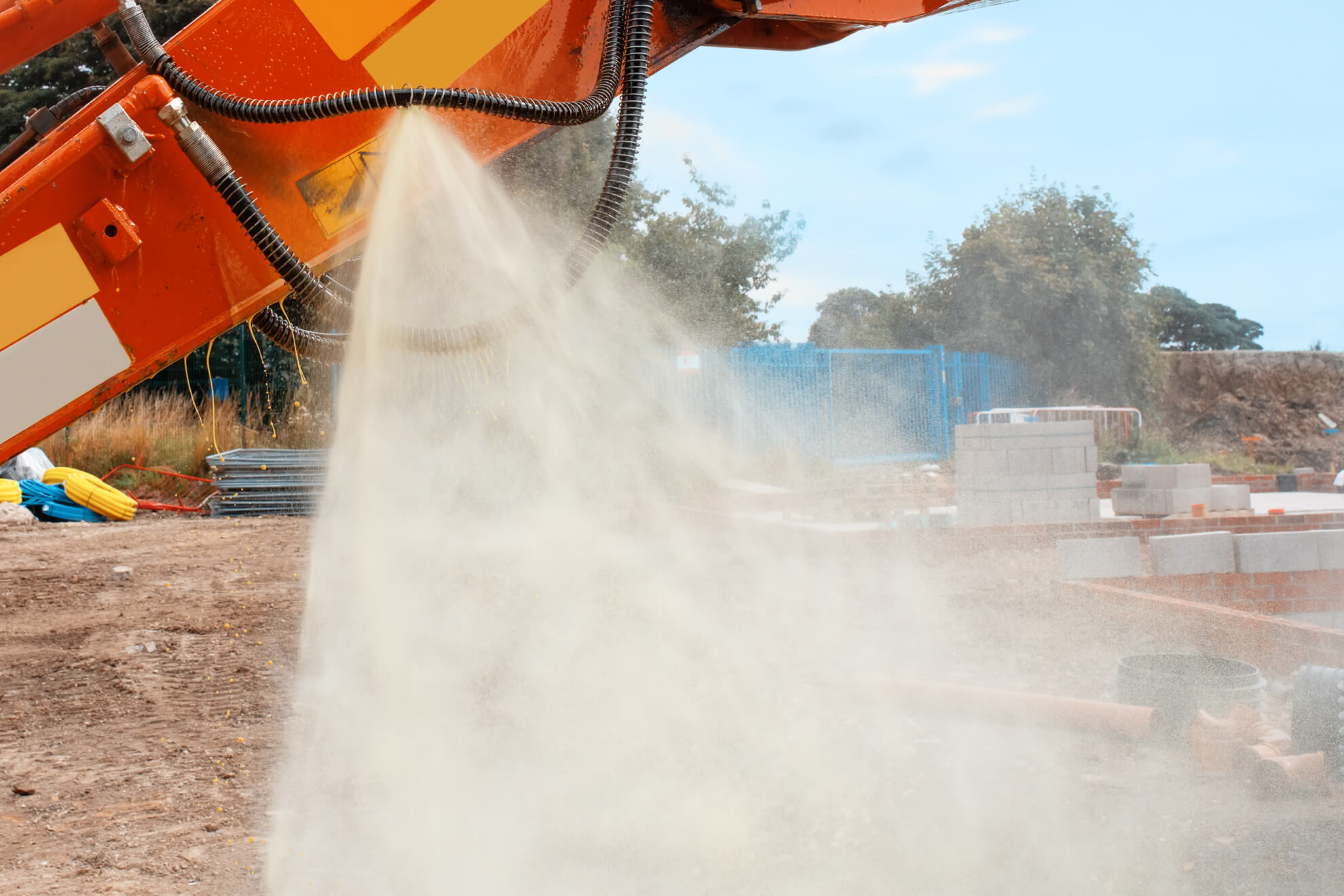
Operating above the hose’s pressure rating can lead to leaks, weakened reinforcement, or hose rupture.
Improper Hose Routing
Poor routing creates unnecessary stress, vibration, and abrasion that shorten hose lifespan.
Excessive Bend Radius
Tight bends can restrict fluid flow and damage hose reinforcement layers.
Low-Quality Hose Assemblies
Poor fabrication or improper fittings increase the risk of leaks and premature failure.
Importance of Bend Radius in Hydraulic Systems
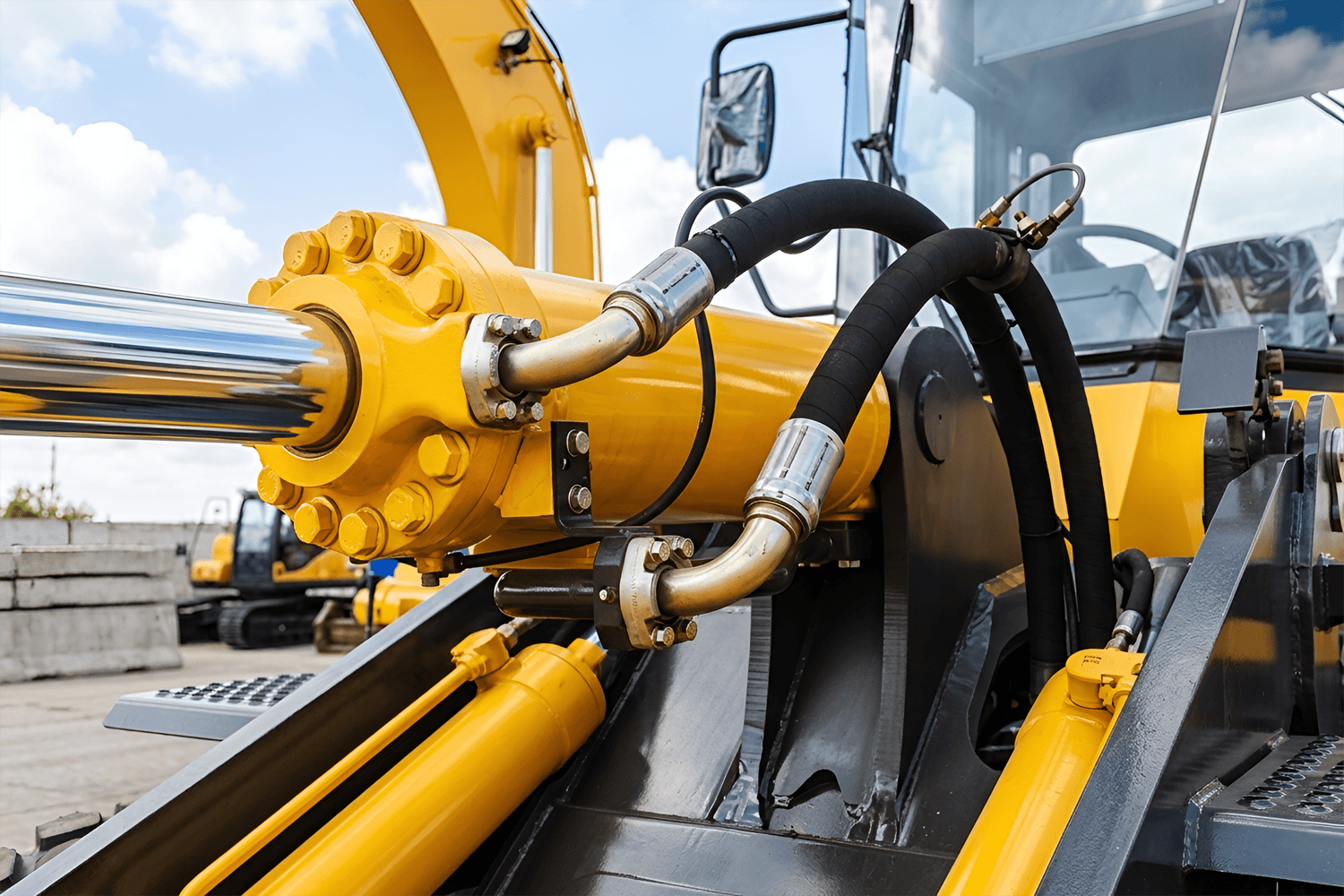
Hydraulic hoses must maintain proper bend radius during installation and operation.
How Tight Bends Cause Damage
Excessive bending can:
- Restrict hydraulic flow
- Increase internal stress
- Damage reinforcement layers
- Shorten hose lifespan
Proper hose routing improves hydraulic reliability and reduces maintenance issues.
In many heavy equipment systems, precision hydraulic piping and custom tube bending are used alongside hydraulic hoses to improve durability and reduce failure points.
Environmental Factors to Consider
Hydraulic hose performance is heavily influenced by environmental and operating conditions.
Temperature Exposure
Extreme heat or cold can affect hose flexibility, pressure performance, and fluid compatibility.
Abrasion and Vibration
Heavy equipment environments expose hoses to constant vibration, debris, and surface wear.
Chemical and Moisture Exposure
Hydraulic hoses may require specialized materials to resist oils, chemicals, moisture, and corrosion.
Selecting hoses designed for harsh operating environments improves long-term system reliability.
Choosing the Right Hydraulic Hose Material
Different hydraulic hose materials are designed for different applications and pressure requirements.
Common Hydraulic Hose Materials
Common options include:
- Synthetic rubber
- Thermoplastic
- PTFE (Teflon)
- Steel wire reinforced hoses
Material selection depends on:
- Operating pressure
- Fluid compatibility
- Flexibility requirements
- Environmental conditions
Hydraulic Hose Standards and Safety
Hydraulic hoses should meet recognized industry safety and performance standards.
Common Hydraulic Hose Standards
Common standards include:
Working with experienced hydraulic fabrication specialists helps ensure hoses and assemblies meet application-specific requirements.
Tips for Choosing the Right Hydraulic Hose
Choosing the right hydraulic hose involves evaluating the entire hydraulic system.
Hydraulic Hose Selection Best Practices
- Match hose size to required flow rate
- Confirm working pressure exceeds system pressure
- Verify fluid compatibility
- Consider operating temperatures
- Avoid excessive bend radius
- Protect hoses from abrasion and vibration
- Use high-quality fittings and assemblies
- Perform regular inspections and maintenance
Proper hydraulic hose selection helps reduce downtime, improve safety, and extend equipment lifespan.
Why Quality Hydraulic Fabrication Matters
Reliable hydraulic systems depend on precision fabrication and quality-controlled assemblies.
Benefits of Precision Hydraulic Fabrication
Professional hydraulic fabrication services can provide:
- Precision tube bending
- Leak-tested assemblies
- Improved hydraulic flow
- Reduced failure points
- Better long-term durability
Companies specializing in hydraulic piping and fabrication solutions help heavy equipment operators improve system performance and reliability in demanding applications.
Share it!