June 1, 2026
Hydraulic Hose vs Steel Piping: Which Is Better for Heavy-Duty Equipment?

Team Pipe Processing
Choosing between hydraulic hose and steel piping is a critical decision in any hydraulic system. The right choice affects performance, safety, maintenance, and long-term cost—especially in heavy-duty equipment used in construction, agriculture, and industrial environments.
This guide breaks down the key differences and helps you choose the best option based on real-world applications.
What’s the Difference Between Hydraulic Hose and Steel Piping?
At a basic level, both serve the same purpose—transporting hydraulic fluid—but they perform very differently depending on the environment.
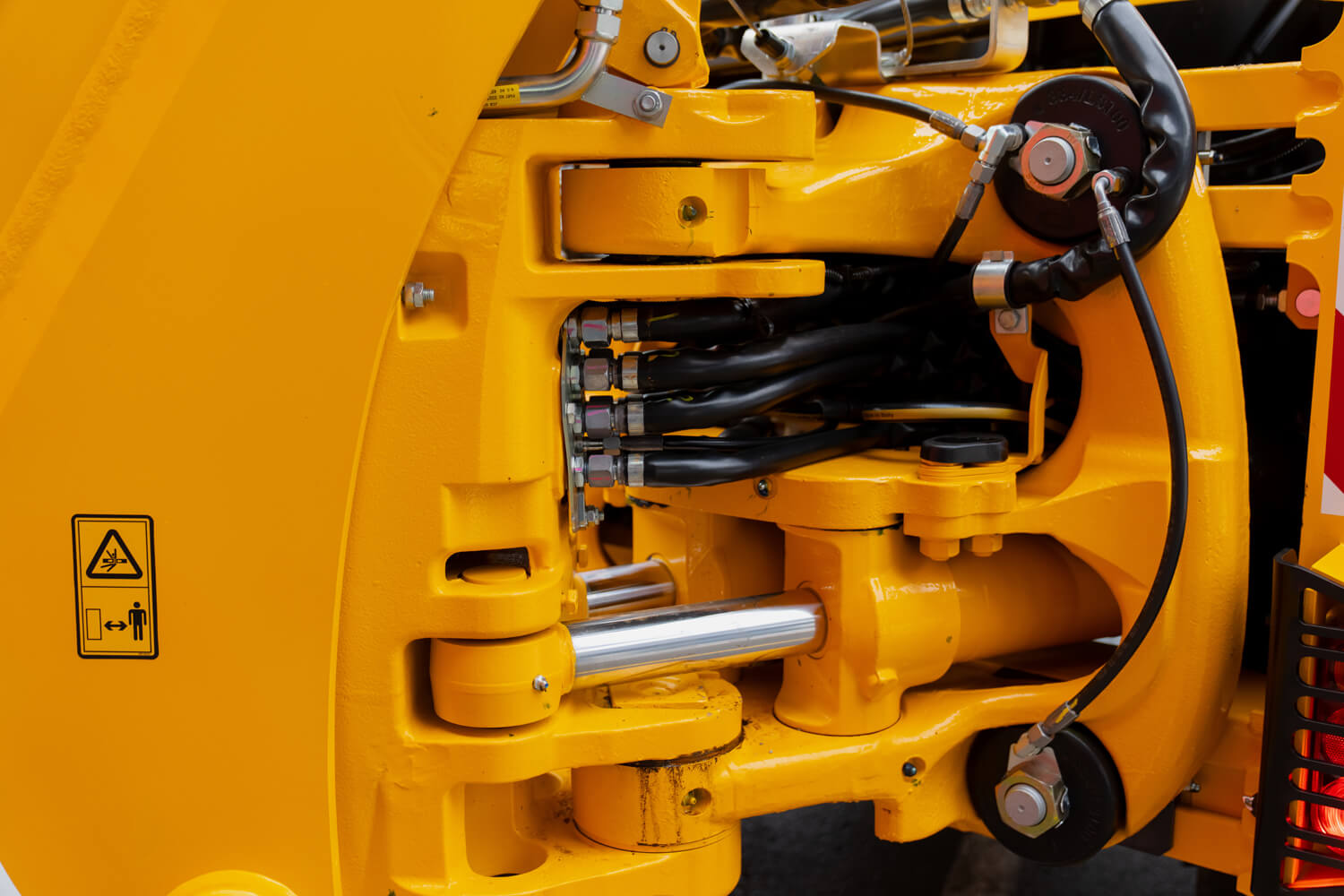
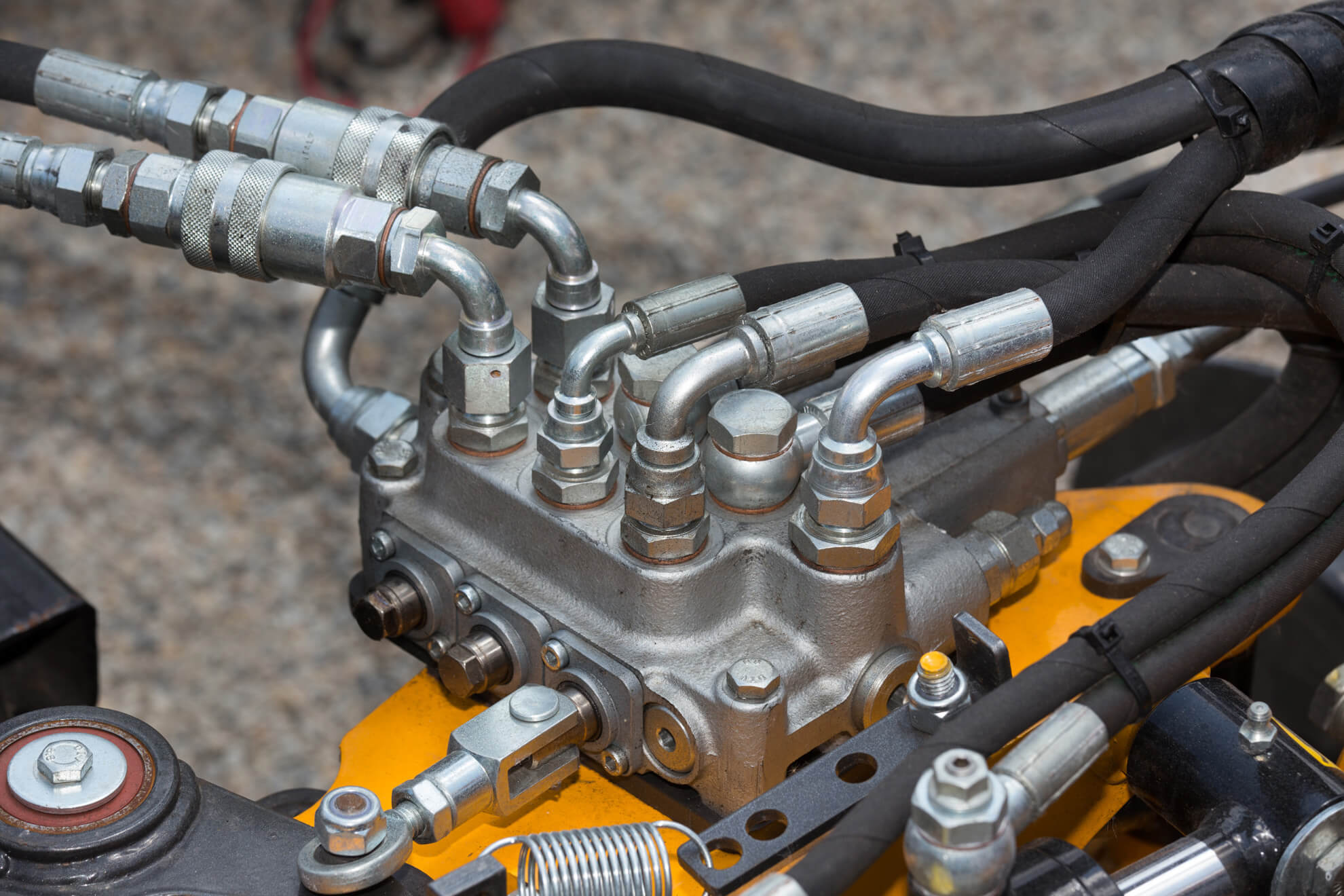
Hydraulic hoses are flexible lines made from reinforced rubber or thermoplastic materials. They are designed to handle movement, vibration, and tight routing.
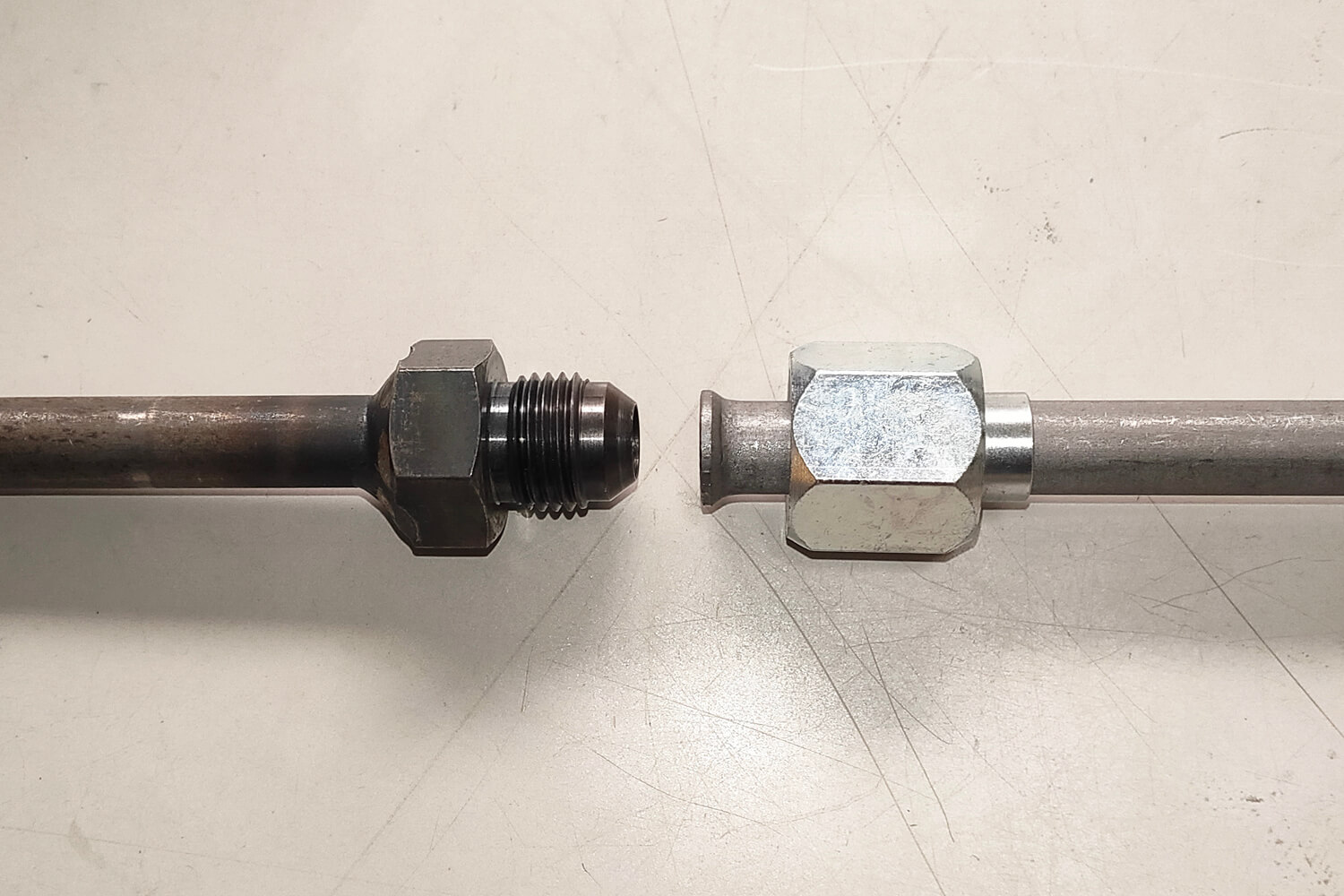
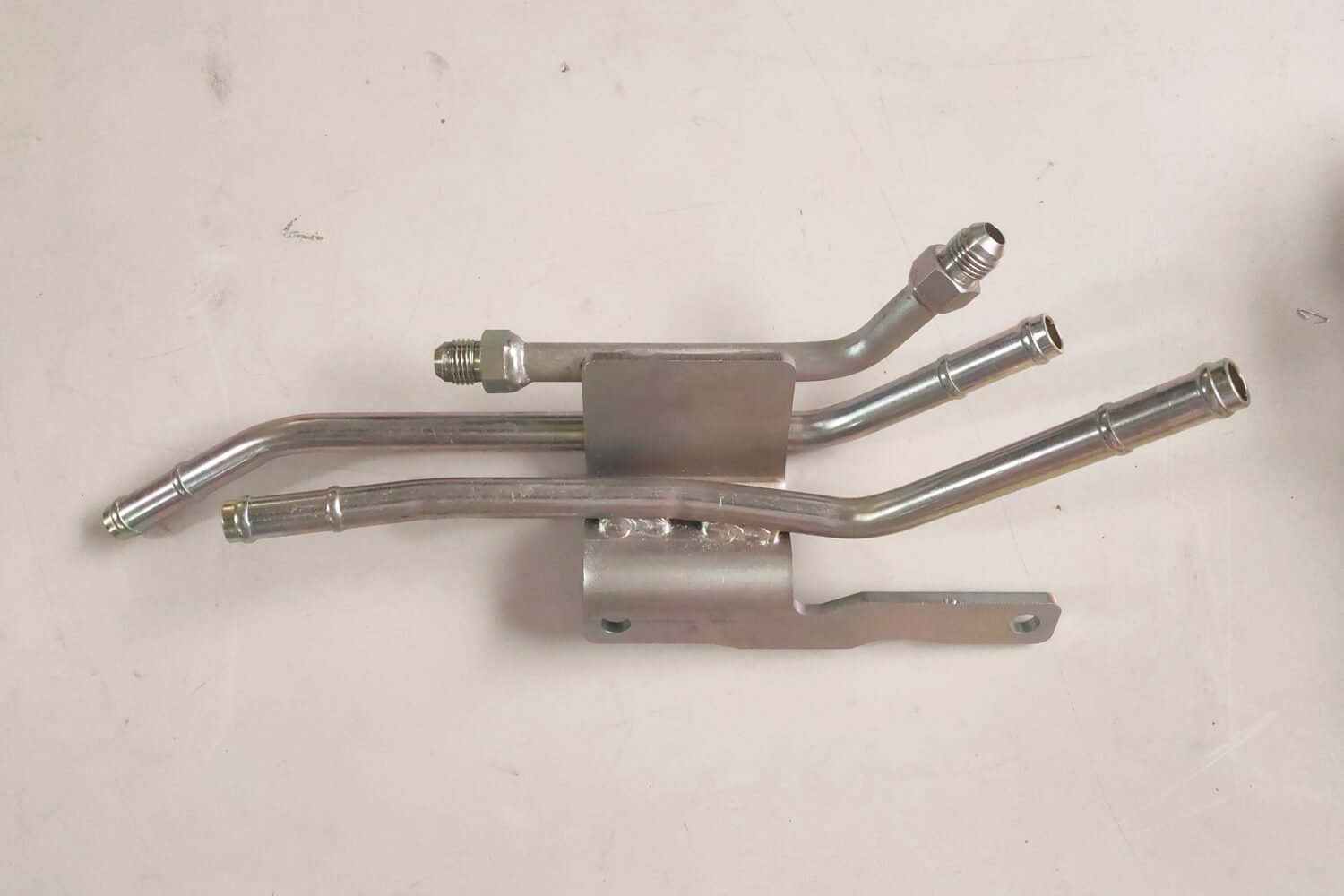
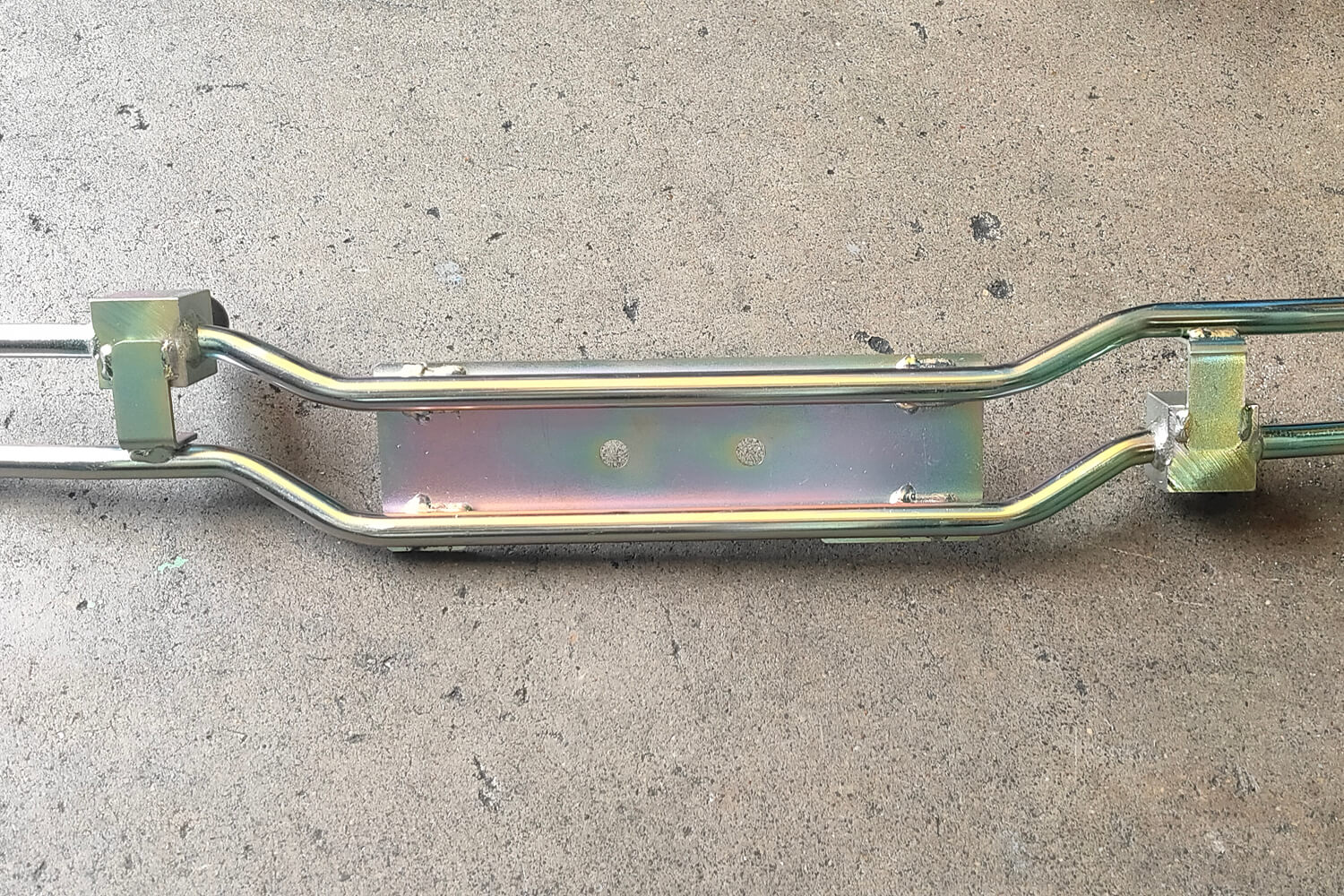
Steel piping, on the other hand, is rigid and typically used in fixed systems where strength and durability under high pressure are the priority.
Hydraulic Hose vs Steel Piping
: Key Differences
Flexibility and Movement
- Hydraulic hoses are built for flexibility. They perform well in systems where components move, such as excavator arms, tractors, and other mobile equipment. They also absorb vibration, reducing stress on the system.
- Steel piping is rigid and better suited for stationary systems. In environments with constant movement or vibration, steel pipes are more prone to fatigue and cracking over time.
Pressure Handling
- Hydraulic hoses can also handle high pressure, but only within their rated limits. Modern hoses have improved significantly, but they still require proper specification to avoid failure.
- Steel piping generally handles higher pressures more consistently, making it ideal for extreme-duty industrial systems.
Installation Time and Cost
- Hydraulic hoses are faster and easier to install. They don’t require complex bending, welding, or precision fitting, which reduces labor time and cost.
- Steel piping installation is more time-intensive. It requires accurate measurements, specialized tools, and skilled labor, especially in complex systems.
Maintenance and Repair
- Hoses are easier to replace. When a failure occurs, downtime is typically shorter because the replacement process is straightforward.
- Steel piping systems are more durable in stable environments, but when issues arise, repairs are more complex and time-consuming.
Durability and Lifespan
- Hydraulic hoses experience more wear over time, especially in high-abrasion or high-movement applications. However, their flexibility often prevents catastrophic failures caused by stress or vibration.
- Steel piping tends to last longer in controlled, fixed environments where there is minimal movement.
Best Use Cases
When to Use Hydraulic Hose
Hydraulic hoses are the better choice when:
- Equipment involves movement or articulation
- Systems are exposed to vibration or shock
- Space is limited or routing is complex
- Quick maintenance and replacement are important
- Equipment is mobile (e.g., tractors, loaders, excavators)
When to Use Steel Piping
Steel piping is ideal when:
- The system is fixed or stationary
- Extremely high pressure is required
- Long-term durability is critical
- The environment is controlled and stable
- Industrial or plant-based systems are involved
Special Considerations for Heavy-Duty Equipment
Cold Weather Performance
In colder climates, materials behave differently. Hydraulic hoses are generally more adaptable to temperature changes, while steel piping can become brittle if not properly specified.
Abrasion and External Damage
- Hoses are more vulnerable to external wear but can be protected with sleeves and routing strategies.
- Steel piping is more resistant to surface damage but can fail under repeated stress if vibration is not controlled.
Space and Routing Constraints
- Hydraulic hoses can be routed through tight or complex spaces, making them ideal for compact equipment designs.
- Steel piping requires more space and careful planning during installation.
Safety
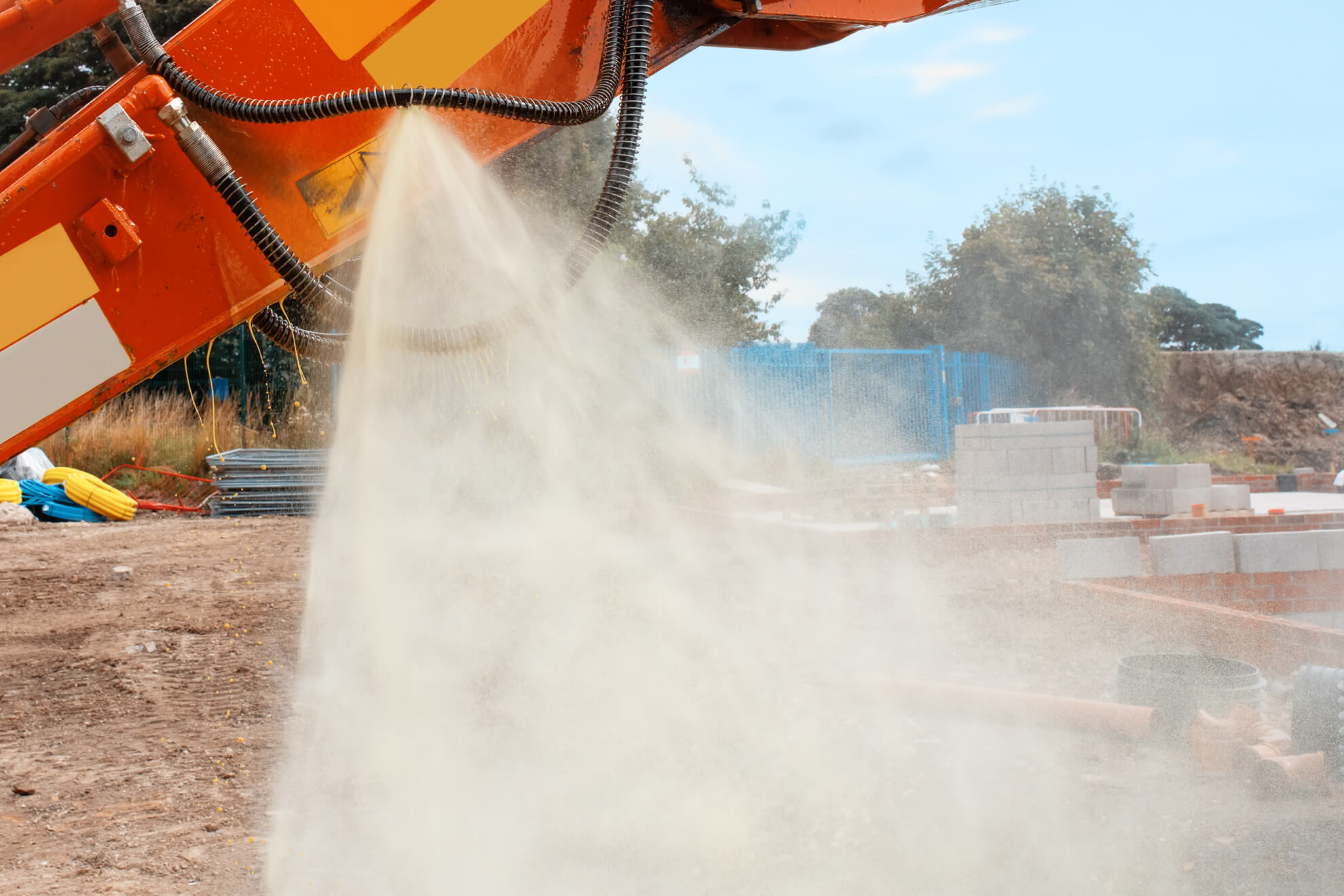
- Hose failures typically result in leaks or bursts, which are easier to detect and address quickly.
- Steel piping failures can be more severe, especially if cracks develop under high pressure.
How to Choose the Right Option
To make the right decision, evaluate the following:
- Operating pressure: Does your system require extreme pressure handling?
- Movement and vibration: Are components constantly moving?
- Maintenance access: How easy is it to service or replace components?
- Installation constraints: Is space limited or routing complex?
- Lifecycle cost: Are you optimizing for upfront cost or long-term durability?
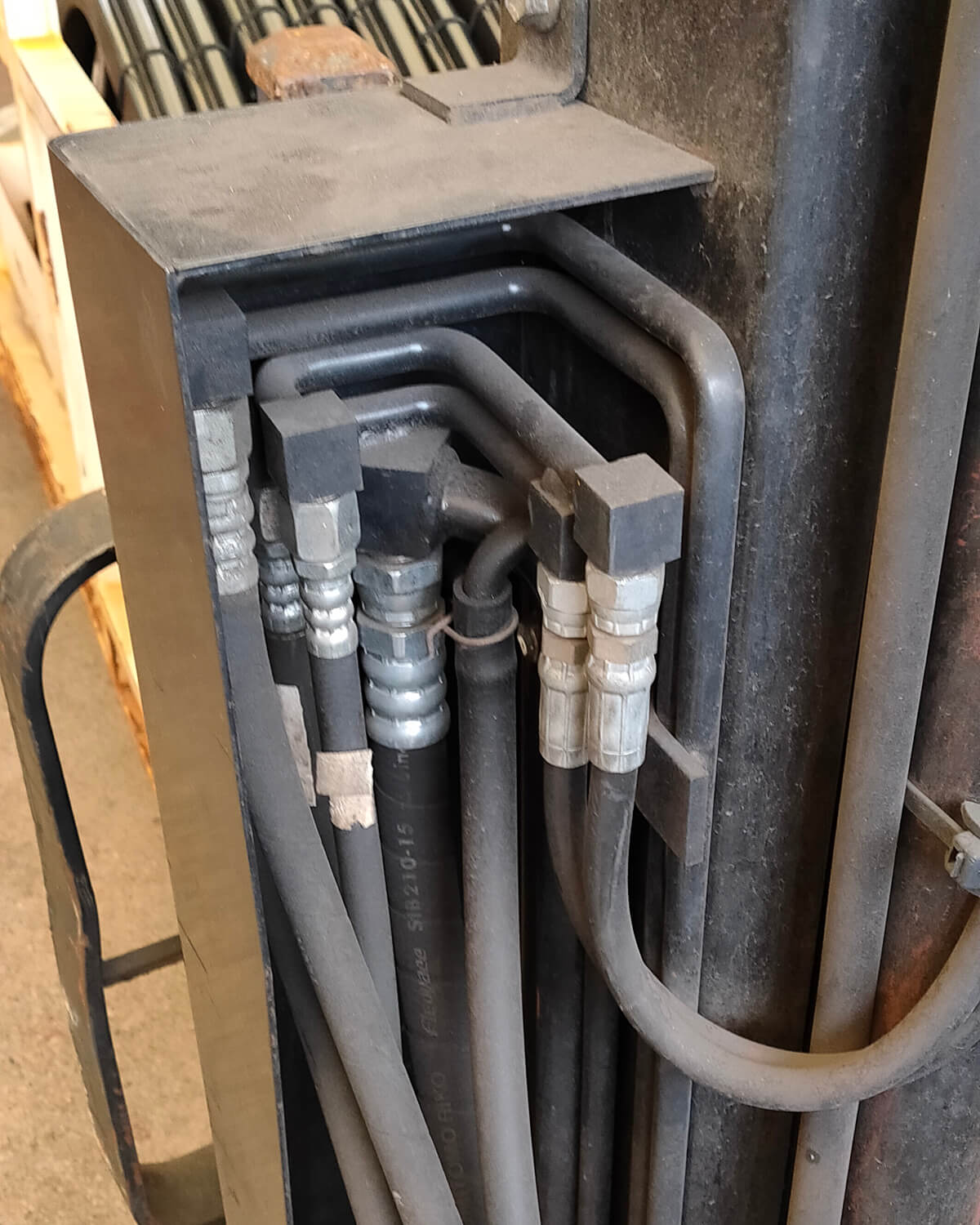
In many cases, the best solution is not one or the other—but a combination of both, using steel piping for fixed sections and hydraulic hoses for flexible connections.
Conclusion
There’s no one-size-fits-all answer when it comes to hydraulic hose vs steel piping. The best choice depends on how your equipment operates, the environment it works in, and your maintenance priorities.
If you’re designing or upgrading a hydraulic system, choosing the right components early can prevent costly downtime and improve overall performance.
Need Help Choosing the Right Hydraulic Solution?
If you’re unsure which option is best for your equipment, getting expert input can save time and cost in the long run. A properly designed system ensures safety, efficiency, and long-term reliability.
Share it!