May 1, 2026
What Is Mandrel Bending? Process, Benefits, and Applications for Hydraulic Pipe Systems

Team Pipe Processing
Hydraulic piping systems rely on precision, durability, and safety. One of the most important processes to achieve these qualities is mandrel bending. This technique ensures smooth, wrinkle-free bends, maintains consistent pipe diameters, and prevents deformation under high-pressure applications.
If you’re exploring options for hydraulic piping, industrial fabrication, or automotive tube bending, understanding mandrel bending is critical for choosing the right pipe fabrication partner.
What Is Mandrel Bending?
Mandrel bending is a pipe and tube bending process where a solid or flexible mandrel is inserted inside the pipe during bending. The mandrel acts as internal support to prevent the pipe from collapsing, wrinkling, or deforming.
Key Features:
- Supports the pipe from the inside
- Maintains consistent internal diameter
- Produces smooth, precise bends
This method is especially important for hydraulic systems, where even small deformations can lead to leaks or pressure loss.
How Mandrel Bending Works
The mandrel bending process typically involves several steps:
- Material Selection: Pipes or tubes are chosen based on pressure rating, diameter, and wall thickness. Stainless steel and alloy steels are common for hydraulic applications.
- Mandrel Insertion: A mandrel (plug, ball, or linked type) is placed inside the pipe.
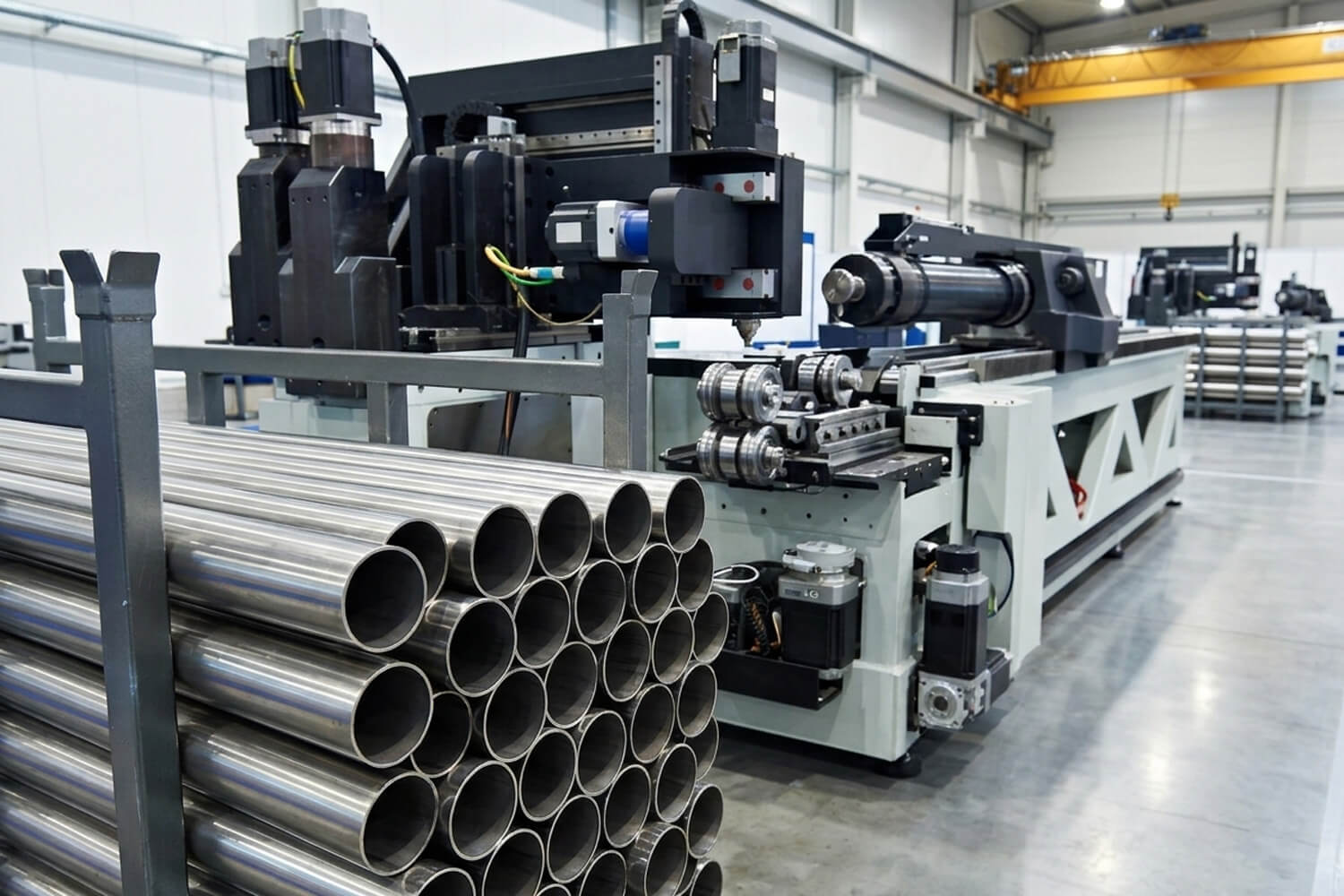
- Bending: The pipe is bent around a fixed die or roll using a hydraulic or CNC bender.
- Support and Shape Control: The mandrel ensures the pipe maintains its shape, prevents wrinkling, and keeps internal flow smooth.
- Inspection: Finished bends are checked for diameter consistency, radius accuracy, and smooth internal surfaces.
Types of Mandrels
There are several types of mandrels used in bending pipes:
- Plug Mandrel: A solid rod providing basic support for simple bends.
- Ball Mandrel: A series of linked balls providing more flexibility and reducing friction.
- Linked Mandrel: Flexible connected links ideal for tight bends and long-radius curves.
Each type is selected depending on pipe material, bend radius, and application requirements.
Benefits of Mandrel Bending
Mandrel bending is preferred over other bending methods because it offers:
- Smooth internal surface: Minimizes turbulence in hydraulic lines.
- Maintained diameter: Prevents pressure loss and flow restriction.
- No wrinkling: Ensures structural integrity.
- High repeatability: Critical for automotive and industrial applications.
- Capability for tight bends: Optimizes design in complex hydraulic systems.
Why Mandrel Bending Is Essential for Hydraulic Piping
Hydraulic systems operate under high pressure, so any deformation in piping can cause leaks, system failure, or inefficiency. Mandrel bending ensures:
- Pressure integrity: Maintains internal flow and pressure capacity.
- Durability: Reduces stress on pipe walls, extending lifespan.
- Performance: Smooth bends optimize fluid flow, reducing energy loss.
- Safety: Prevents catastrophic failures in industrial or automotive applications.
Mandrel Bending vs Other Pipe Bending Methods
| Method | Advantages | Limitations |
|---|---|---|
| Mandrel Bending | Smooth bends, maintains diameter, tight radius | More equipment & cost |
| Compression Bending | Simple, cost-effective | CPipe may wrinkle or collapse |
| Roll Bending | Ideal for large radius pipes | Less precise for hydraulic use |
*For hydraulic and high-pressure applications, mandrel bending is usually the superior choice.
Common Applications of Mandrel Bending
Mandrel bending is widely used across industries:
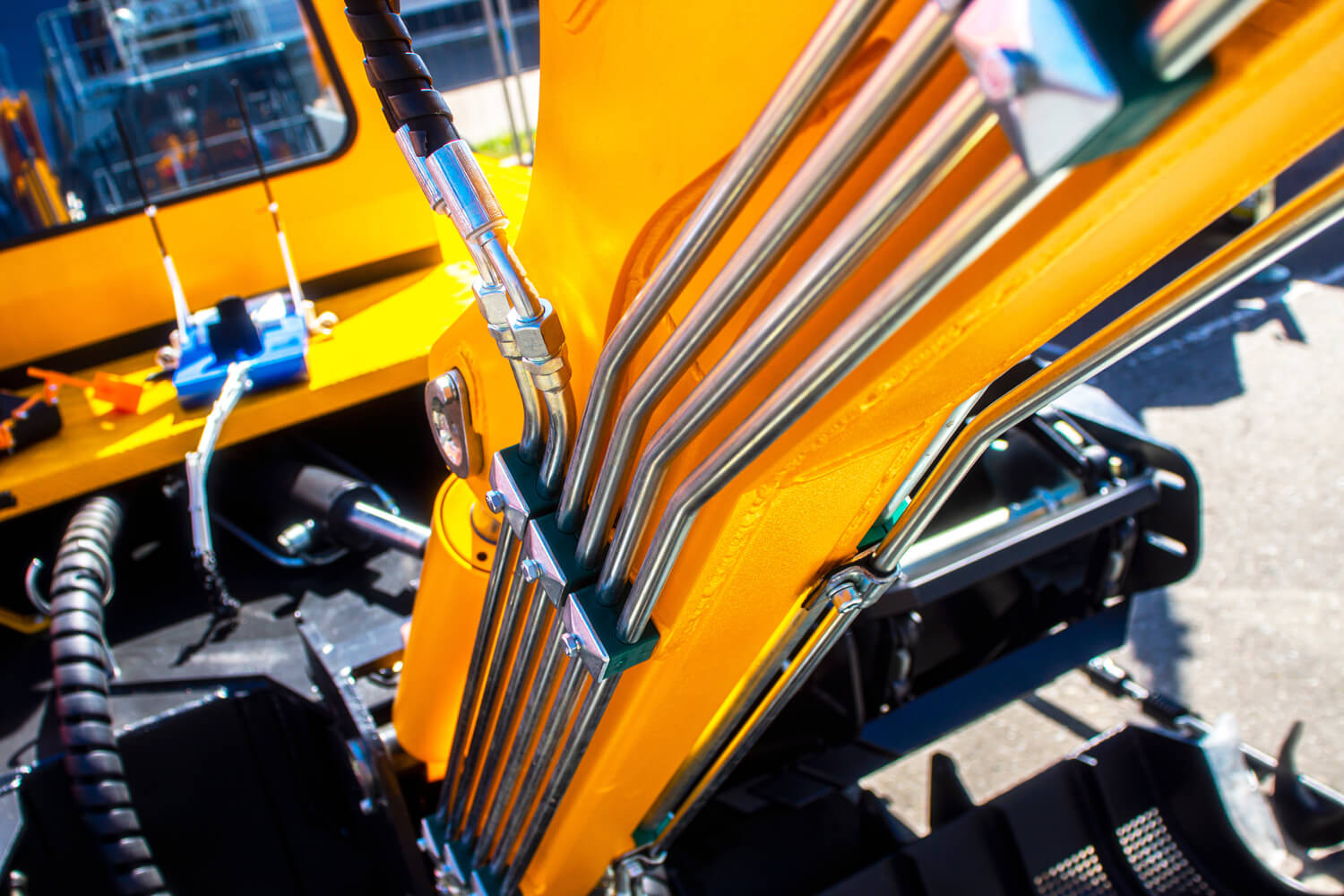
- Hydraulic Systems: Smooth, high-pressure lines in industrial machinery and fluid systems.
- Automotive: Tube bends for fuel lines, brake lines, and seat frames.
- Aerospace & Heavy Equipment: Durable, precise bends for complex designs.
- Industrial Fabrication: HVAC, piping networks, and custom tube assemblies.
How to Choose a Mandrel Bending Service Provider
Selecting the right fabrication company is critical:
- Experience: Look for companies with proven hydraulic piping and tube-bending expertise.
- Equipment: Ensure they have modern CNC mandrel benders.
- Material Capability: Stainless steel, alloy steel, or other high-grade materials.
- Quality Assurance: Dimensional inspection, pressure testing, and tolerance verification.
- Engineering Support: Assistance with design, bend radius calculation, and process optimization.
Conclusion:
Mandrel bending is a cornerstone of precision pipe fabrication, especially for hydraulic piping systems. By ensuring smooth, wrinkle-free bends and maintaining structural integrity, this method guarantees efficiency, reliability, and safety.
Choosing an experienced mandrel-bending service provider ensures your hydraulic piping systems perform optimally and last longer.
Ready to improve your hydraulic piping projects? Contact us today for professional mandrel bending and pipe fabrication solutions.
Share it!