July 1, 2025
Pipe Bending Applications in Gasoline vs. Electric Vehicles: Key Differences Explained

Team Pipe Processing
As the automotive industry shifts toward electrification, the engineering behind vehicle design is evolving rapidly. One area that continues to play a critical role—yet often goes unnoticed—is pipe bending. While both gasoline and electric vehicles (EVs) require bent tubing for various systems, their applications, materials, and design priorities differ significantly.
In this article, we’ll explore the key differences in pipe bending applications between gasoline and electric vehicles and how manufacturers can adapt to meet the unique demands of both.
Why Pipe Bending Matters in Vehicle Design
Pipe bending is essential for routing fluids, gases, and electrical conduits through compact vehicle chassis. High-precision bends allow for:
- Optimized space utilization
- Reduced weight and part count
- Improved system efficiency and durability
Whether in fuel lines, brake systems, cooling circuits, or electrical conduits, bent pipes are critical to safety, performance, and manufacturability.
Pipe Bending in Gasoline Vehicles
In traditional internal combustion engine (ICE) vehicles, pipe bending is used across a wide range of systems:
1. Fuel Delivery Systems
- Precision-bent steel or aluminum pipes transport fuel from tank to engine
- Must withstand high pressure and temperature changes
- Require corrosion resistance for long-term reliability
2. Exhaust and Emissions Systems
- Stainless steel pipes route exhaust gases and connect to emission control units (e.g., catalytic converters, mufflers)
- Complex bends help fit these systems into tight underbody spaces
3. Cooling Systems
- Pipes circulate coolant around the engine block and radiator
- Proper bends maintain flow rate while preventing kinks or turbulence
4. Brake and Power Steering Lines
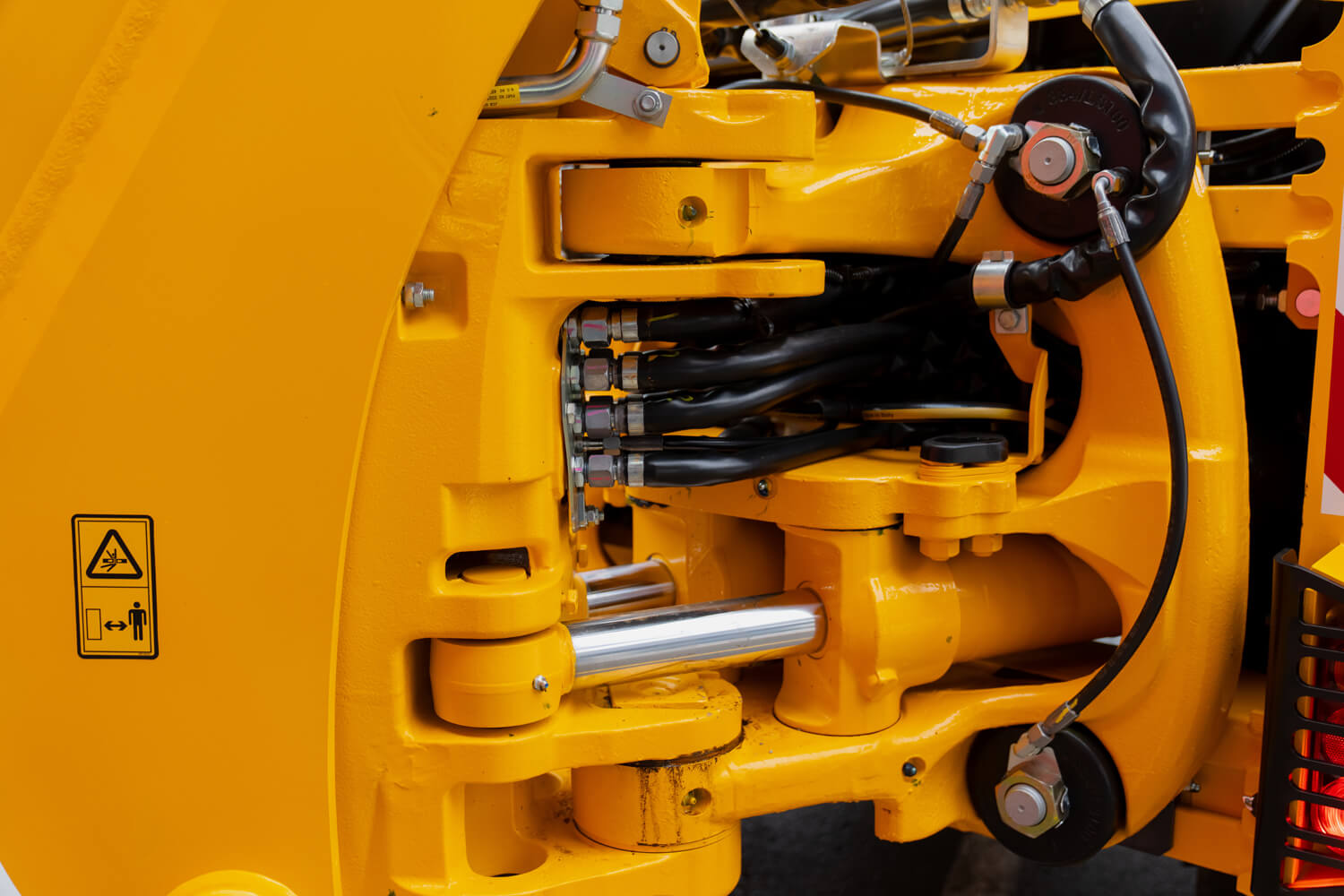
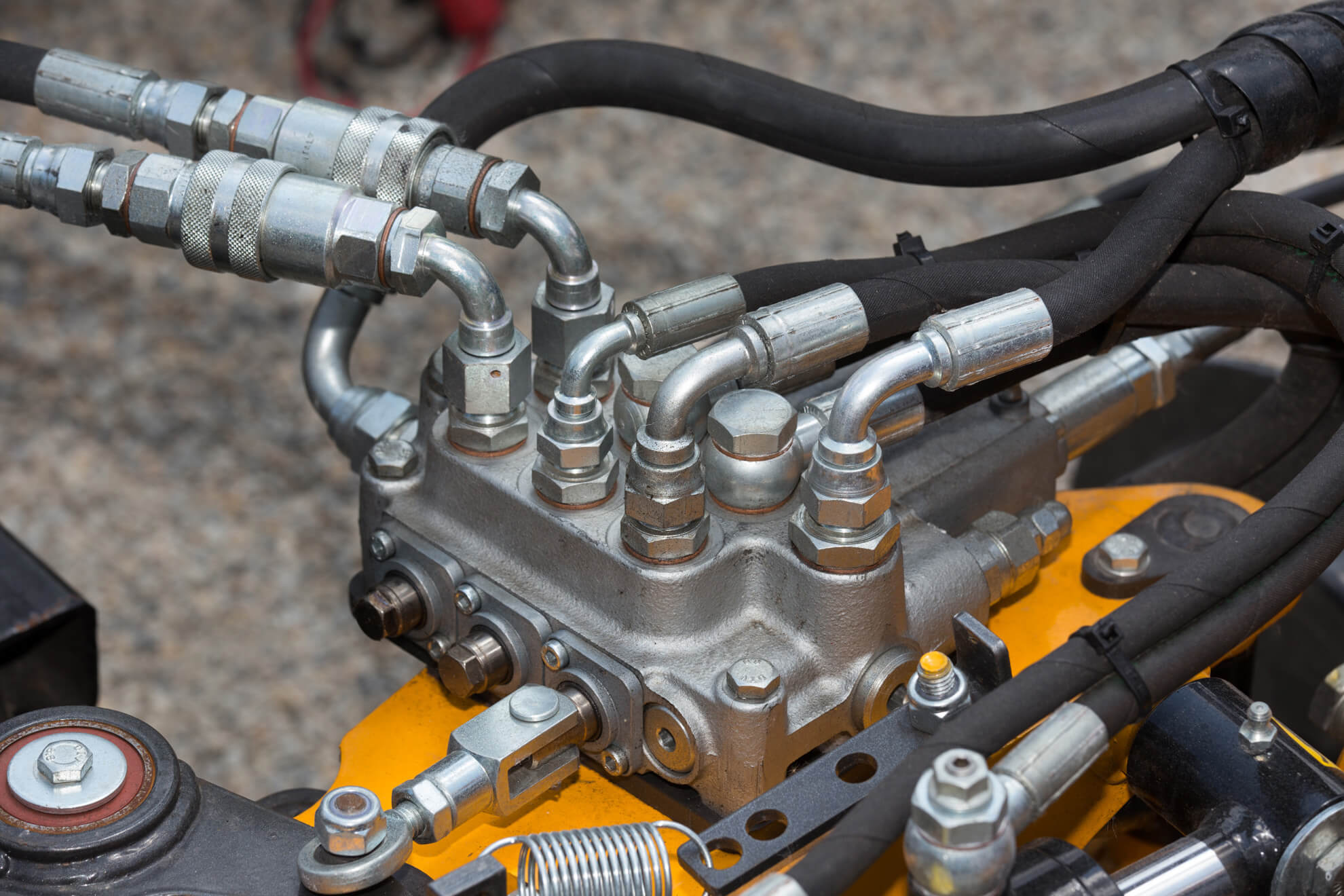
- High-pressure hydraulic lines must be routed safely and securely
- Compact, accurate bends reduce joint count and potential failure points
Pipe Bending in Electric Vehicles (EVs)
EVs eliminate combustion, but still rely heavily on bent pipes and tubing in other high-performance systems:
1. Battery Cooling Systems
- EV batteries generate heat that must be carefully managed
- Custom-bent aluminum or copper tubing is used in liquid-cooled battery packs
- Tighter tolerances and compact layouts are crucial for thermal performance
2. HVAC and Thermal Management
- EVs often share cooling circuits between the battery, cabin, and drivetrain
- Multi-loop systems require complex bends and integration points
3. Electrical Conduit Protection
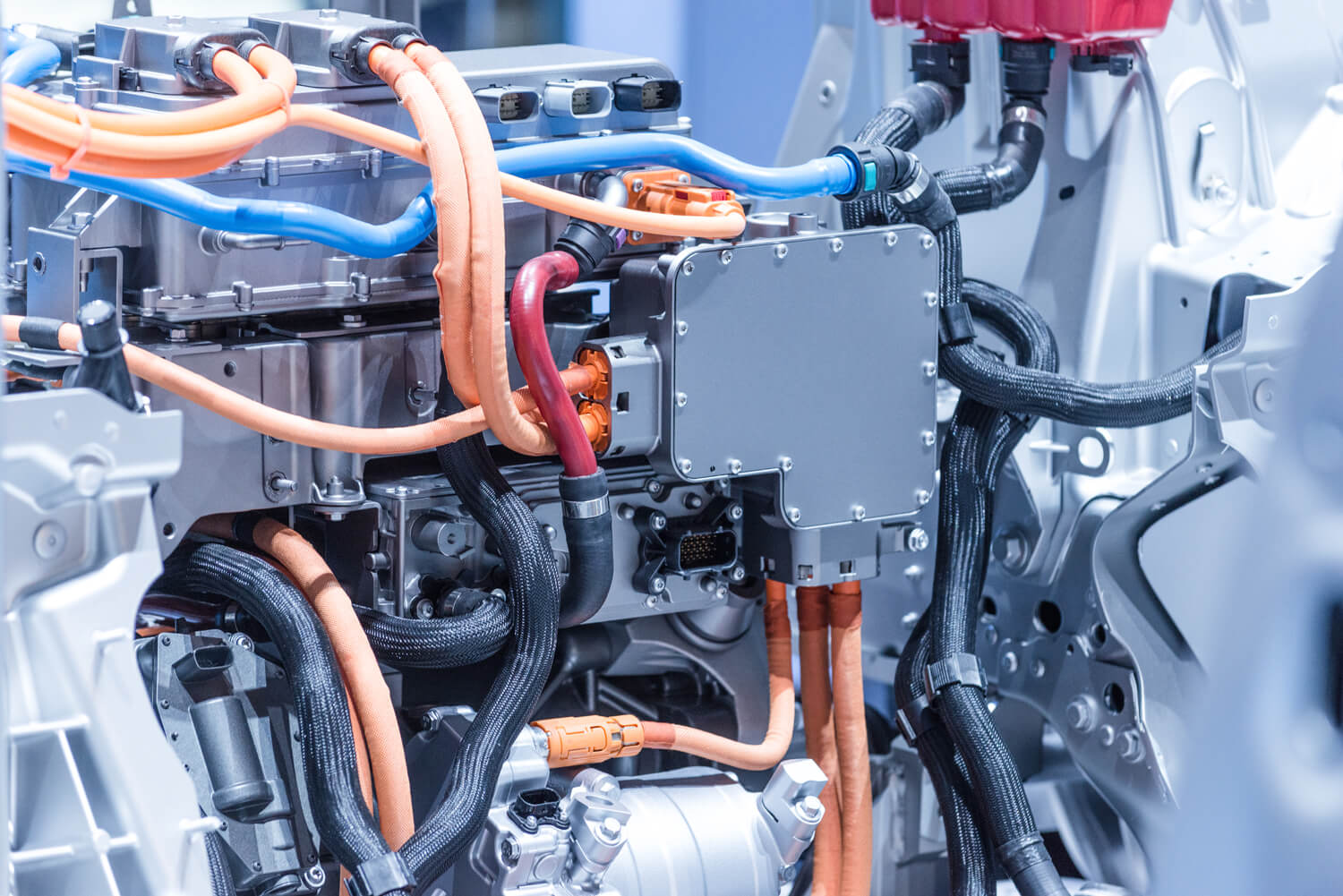
- High-voltage cables (400V to 800V+) need secure routing and shielding
- Conduits are often bent from lightweight metals or reinforced polymers
4. Lightweight Chassis and Modular Design
- EVs benefit from reduced weight to maximize range
- Custom-bent structural tubing can replace welded assemblies to save weight and space
Key Differences Between Gasoline and EV Applications
| Feature | Gasoline Vehicles | Electric Vehicles |
|---|---|---|
| Primary Focus | Fuel, exhaust, engine cooling | Battery cooling, thermal control, cabling |
| Common Materials | Steel, stainless steel, aluminum | Aluminum, copper, lightweight alloys |
| Pipe Complexity | Moderate to high (multi-system routing) | Very high (multi-loop, compact designs) |
| Design Priorities | Durability, heat resistance, compliance | Efficiency, weight savings, thermal control |
| Future Trends | Downsizing, hybrid systems | Increased automation, higher voltage EVs |
Choosing the Right Pipe Bending Partner
To meet the needs of both gasoline and electric vehicle production, manufacturers should work with pipe bending companies that offer:
- Multi-axis CNC bending for precise, repeatable shapes
- Advanced material handling, including aluminum, copper, and high-strength steel
- Prototyping and production capabilities to accelerate development
- Welding, brazing, and assembly services for reduced supplier complexity
The transition to EVs doesn’t reduce the need for pipe bending—in fact, it increases the precision and complexity required. A skilled bending partner can help you keep pace with changing technologies while maintaining cost efficiency and performance standards.
Adapting to the Future of Automotive Manufacturing
As automotive technology evolves, so must the components that support it. Whether you're building internal combustion vehicles or leading the charge in electric mobility, pipe bending remains a core part of efficient, high-performance vehicle design.
If you're developing vehicle systems that require precision pipe forming, talk to us about how we can support your next-generation builds with flexible, high-quality bending solutions.
Share it!