October 12, 2026
Avoiding Common Pipe Bending Mistakes in Construction Machinery Projects

Team Pipe Processing
Pipes are critical components in construction machinery, forming hydraulic systems, structural supports, fluid transfer lines, and exhaust systems. When pipes are bent incorrectly, machinery performance suffers, safety is compromised, and maintenance costs skyrocket. For engineers and fabricators, understanding the common pitfalls in pipe bending and how to avoid them is essential for successful projects.
This comprehensive guide explores frequent mistakes, their consequences, and best practices to ensure accurate, durable, and high-performing pipe bending for construction machinery.
Why Pipe Bending Matters in Construction Machinery
In construction machinery, pipes are subjected to high pressure, heavy loads, and harsh environmental conditions. Hydraulic cylinders, fluid conveyance systems, and structural frames rely on pipes that maintain precise bends, angles, and wall integrity. Even minor errors can result in:
- Leaks or ruptures in hydraulic systems
- Misaligned frames affecting machine stability
- Reduced flow efficiency in fluid systems
- Increased wear and maintenance costs
By mastering proper pipe bending, engineers ensure machinery reliability, safety, and efficiency.
Common Pipe Bending Mistakes in Construction Machinery Projects
- Using the Wrong Bending Technique
Not every bending method is suitable for all pipe types. Using basic compression bending on thin-walled high-strength pipes can cause wrinkles, wall thinning, or collapse. Choosing the right technique—mandrel bending, rotary draw, roll bending, or induction bending—based on pipe material and thickness is critical. - Ignoring Bend Radius Requirements
Bending pipes too tightly is a frequent error. Exceeding the recommended bend radius can lead to cracks, ovality, or kinks, which compromise structural integrity. Always calculate the correct bend radius for the pipe’s material, diameter, and application. - Skipping Material Preparation
Pipes may have inconsistencies, residual stresses, or impurities that worsen during bending. Pre-bending preparation, such as cleaning, deburring, and annealing, ensures better results and prevents post-bend defects. - Neglecting Tolerances and Alignment
Even minor deviations in angle, bend radius, or alignment can create assembly problems in complex machinery systems. Maintaining precise tolerances is essential for seamless integration into hydraulic, structural, and fluid systems. - Overlooking Stress Concentration and Wall Thinning
Incorrect bending introduces stress points and reduces wall thickness, increasing the risk of leaks, fractures, or structural failure. Engineers must choose bending methods that preserve wall integrity and evenly distribute stress. - Failing to Account for Material Behavior
Different materials respond differently to bending. Carbon steel, stainless steel, aluminum, and copper have varying levels of ductility, strength, and spring-back tendencies. Ignoring these properties can lead to inaccurate bends and weak points. - Inadequate Inspection and Testing
Skipping post-bending inspection often results in undetected defects. Visual checks alone are insufficient for high-stress machinery applications. Non-destructive testing (NDT), such as ultrasonic or radiographic inspection, ensures bends meet specifications and quality standards.
Best Practices for Accurate Pipe Bending
- Select the Correct Bending Method
Mandrel bending or rotary draw bending provides precision and maintains wall thickness, making them ideal for critical hydraulic or structural pipes. - Plan the Bend Layout
Carefully calculate bend angles, radii, and alignment before fabrication. Use CAD models when possible to simulate bending outcomes. - Choose High-Quality Materials
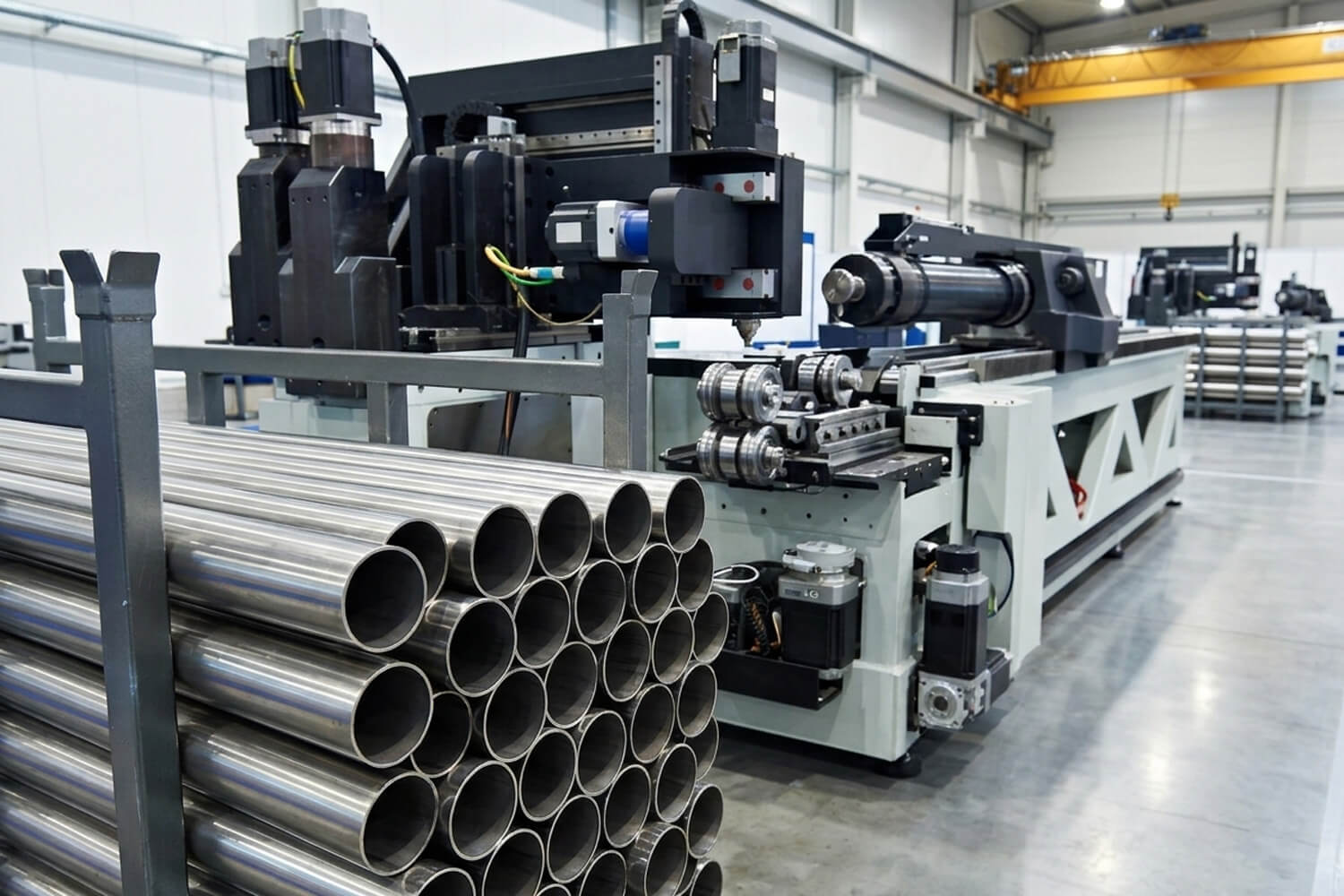
Pipes with consistent wall thickness and uniform properties reduce the risk of defects during bending. - Use CNC and Automated Bending Machines
Automation ensures repeatability, precision, and adherence to tight tolerances. - Perform Post-Bending Inspection
Measure bend angles, check wall thickness, and verify alignment to detect any issues early. - Account for Material Spring-Back
Some metals return partially to their original shape after bending. Engineers must compensate for this to achieve accurate angles. - Train Fabricators on Industry Standards
Proper training ensures that staff understands tolerances, material behavior, and safety protocols.
Real-World Examples in Construction Machinery
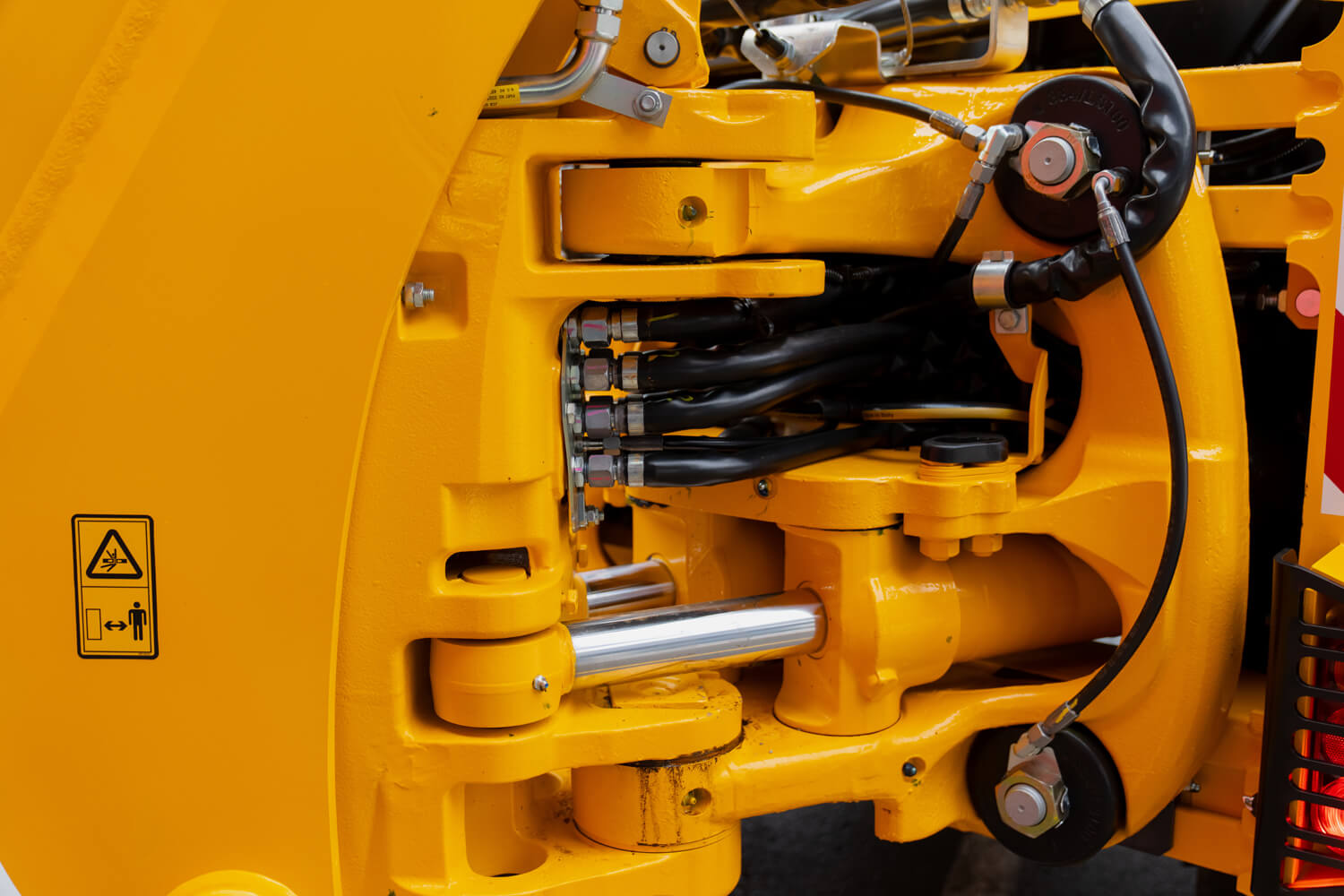
- Hydraulic Lines: Correctly bent hydraulic pipes maintain pressure and prevent leaks, improving machine efficiency and reducing downtime.
- Structural Frames: Bending steel frames with proper techniques ensures stability and load distribution, crucial for cranes, excavators, and loaders.
- Exhaust Systems: Pipes in engine systems must meet precise tolerances to prevent vibration, cracking, or misalignment that could lead to costly repairs.
Benefits of Avoiding Common Pipe Bending Mistakes
- Enhanced Equipment Safety – Proper bending reduces the risk of leaks, fractures, and structural failures.
- Improved Performance – Pipes maintain optimal flow, pressure, and load-bearing capabilities.
- Reduced Costs – Minimizes scrap, rework, and downtime due to defective bends.
- Extended Machinery Life – Pipes that maintain structural integrity last longer under harsh operating conditions.
- Compliance with Standards – Adheres to industry regulations and engineering specifications, avoiding penalties or liability issues.
Conclusion
Pipe bending is more than just a fabrication step—it’s a critical process that impacts the safety, performance, and longevity of construction machinery. Avoiding common mistakes requires careful planning, material selection, appropriate bending techniques, and thorough inspection.
By implementing best practices, engineers and fabricators can ensure durable, reliable, and high-performing machinery systems. Advanced bending technologies, combined with skilled execution, make it possible to optimize construction machinery projects while reducing costs and improving overall efficiency.
Share it!