August 1, 2025
Automation in Heavy-Duty Equipment: Integrating with Pipe Bending for Smarter Manufacturing

Team Pipe Processing
As heavy-duty equipment evolves, automation is transforming how machinery is designed, built, and maintained. From excavators and mining trucks to cranes and industrial loaders, today’s machines are becoming smarter, stronger, and more efficient. A key player in this shift? Precision pipe bending.
In this article, we’ll explore how automation in heavy equipment is changing the manufacturing landscape—and how pipe bending companies play a crucial role in building the machines of tomorrow.
Top 10 (Industry Demand & Usage Frequency) Types of Heavy-Duty Equipment
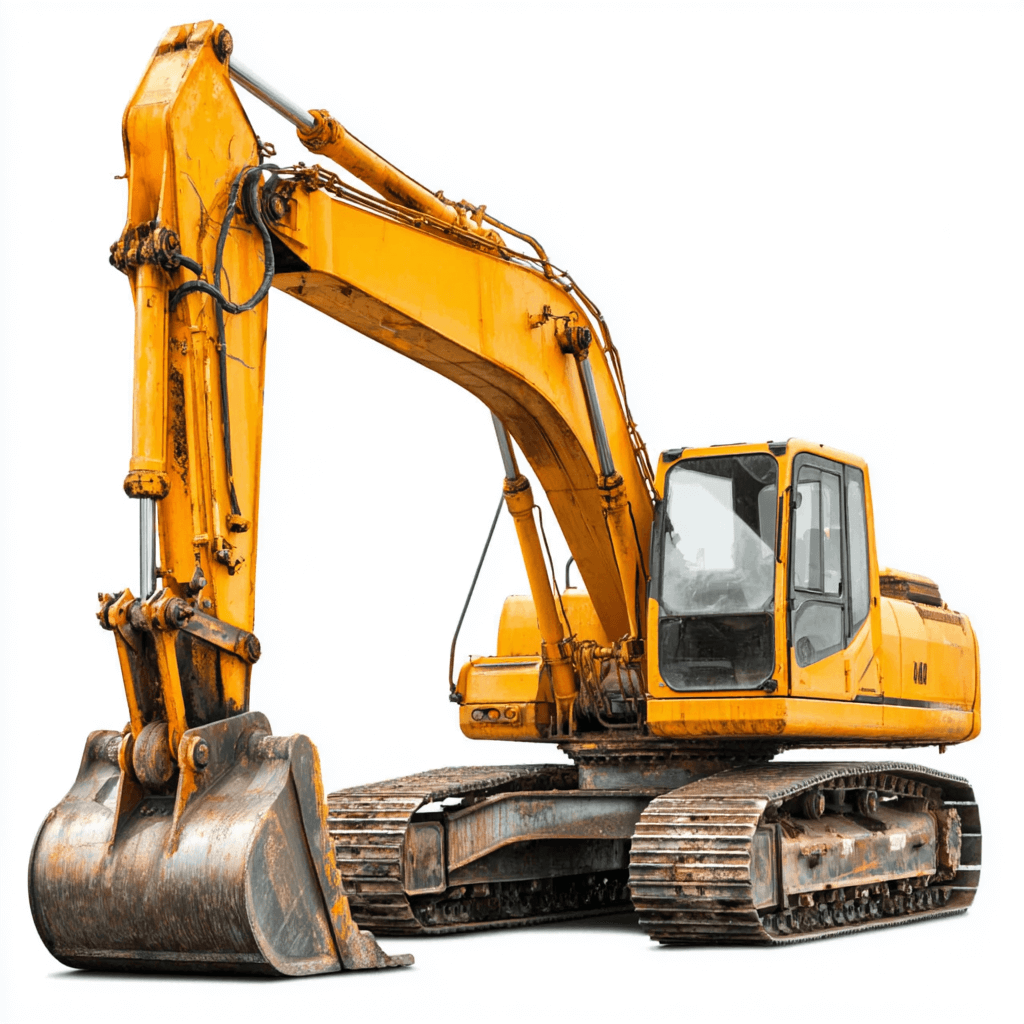
1. Excavators
Excavators are essential in construction and mining for digging, demolition, and lifting. These machines use long hydraulic arms and rotating cabs, requiring precisely bent hydraulic lines to operate safely and efficiently in tough environments.
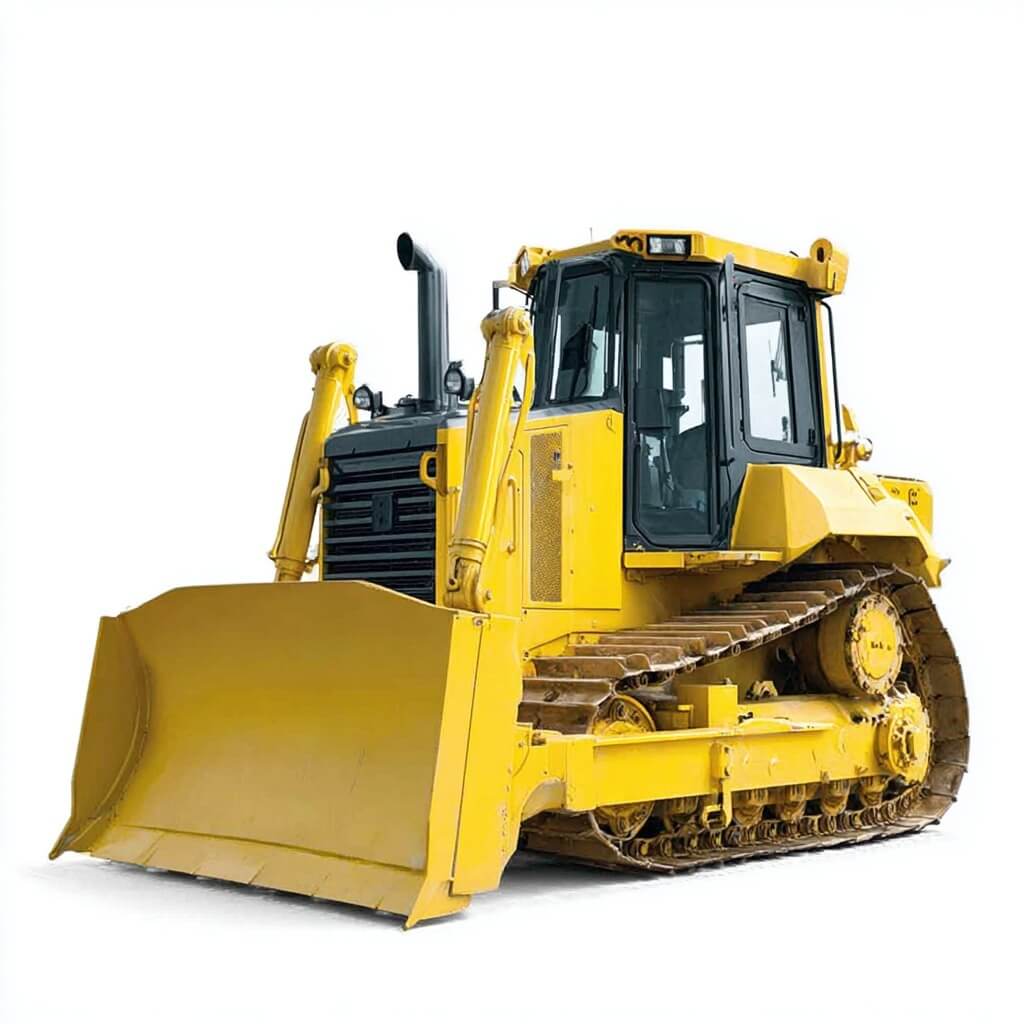
2. Bulldozers
Bulldozers are powerful tracked machines designed to move large amounts of earth, gravel, or debris. Their hydraulic systems and cooling lines benefit from precision pipe bending for space optimization and durability under high stress.
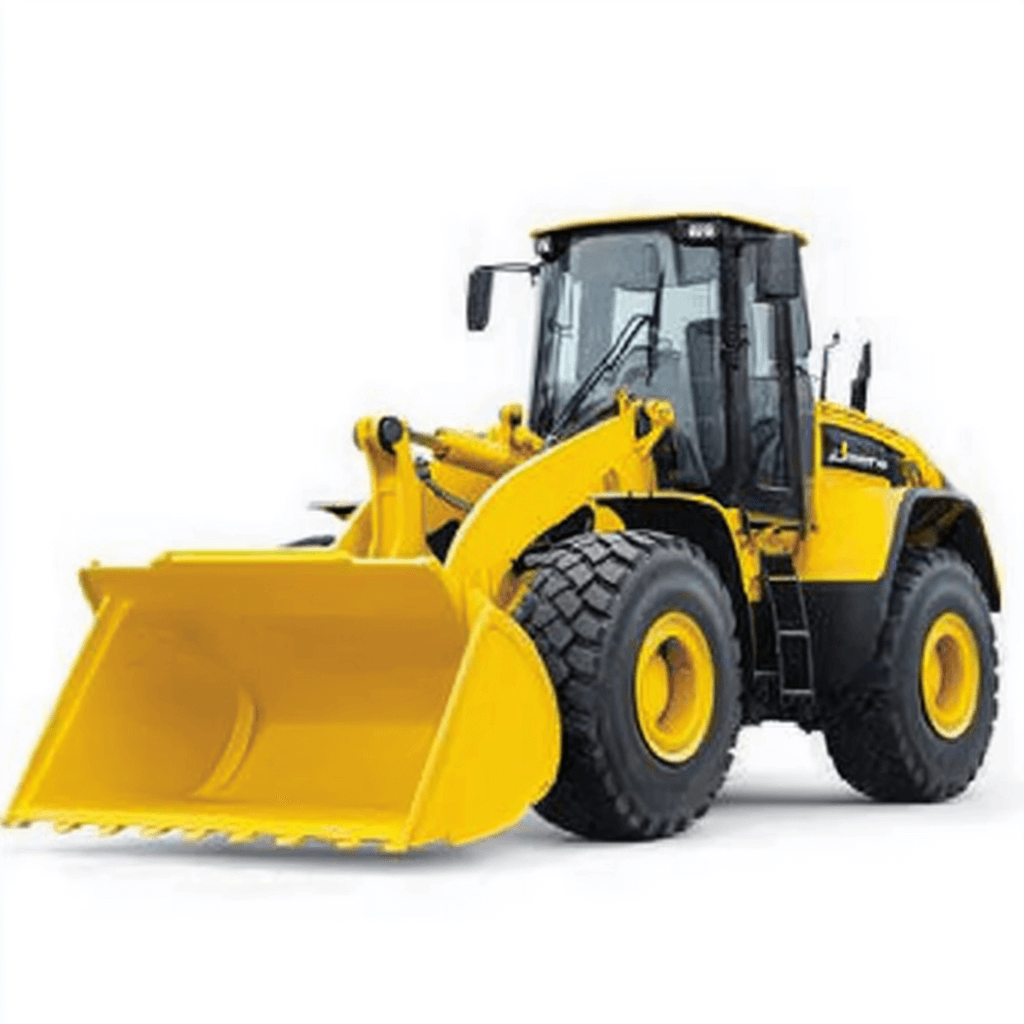
3. Wheel Loaders
Used for moving materials like soil, sand, or snow, wheel loaders combine lifting strength with speed. Their compact engine and hydraulic layouts require custom bent tubing for efficient fluid and air flow within tight engine compartments.
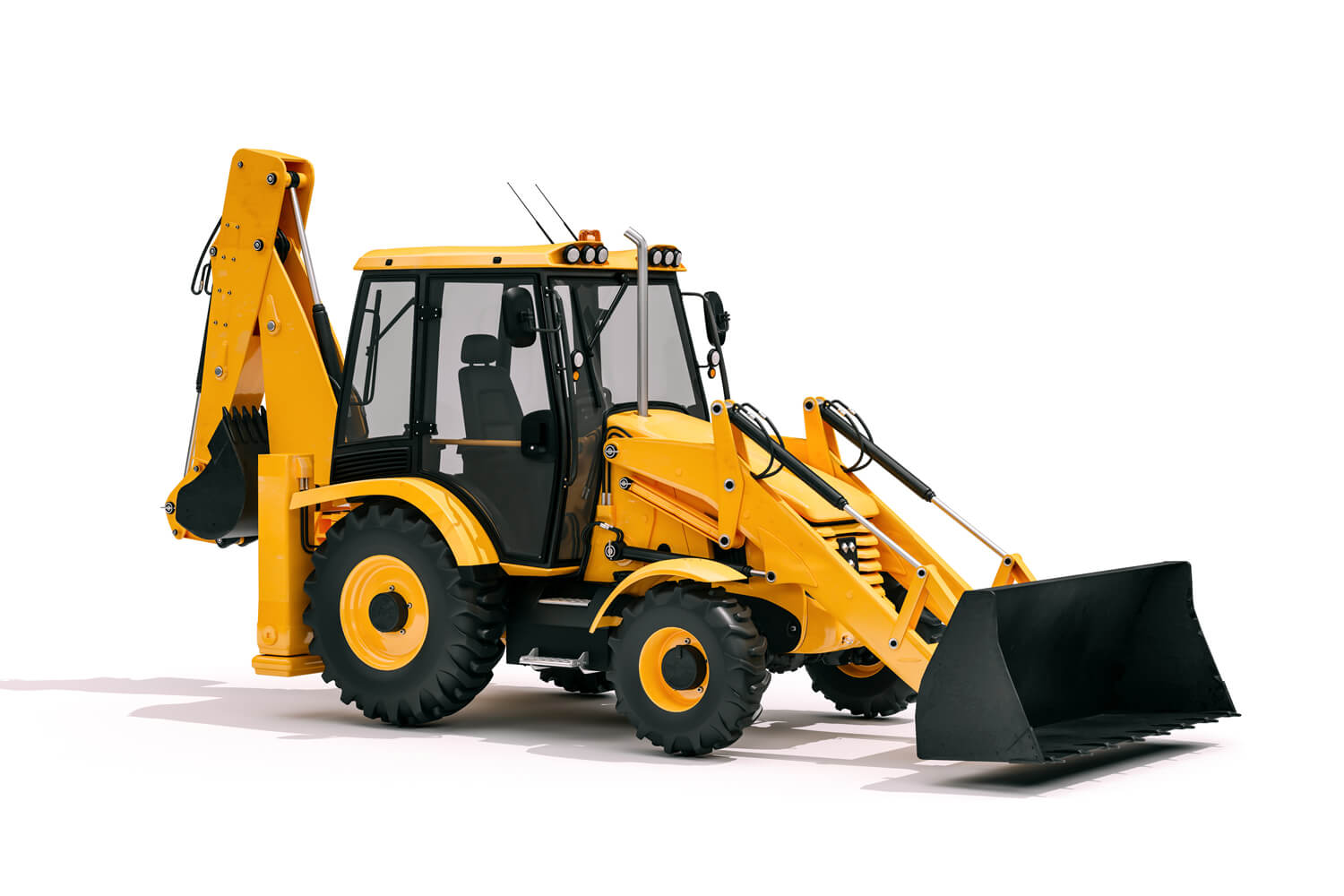
4. Backhoe Loaders
A versatile machine combining a loader in the front and a backhoe in the rear, commonly used in urban construction and utility work. Their dual-functionality demands flexible piping systems for hydraulics and fuel.
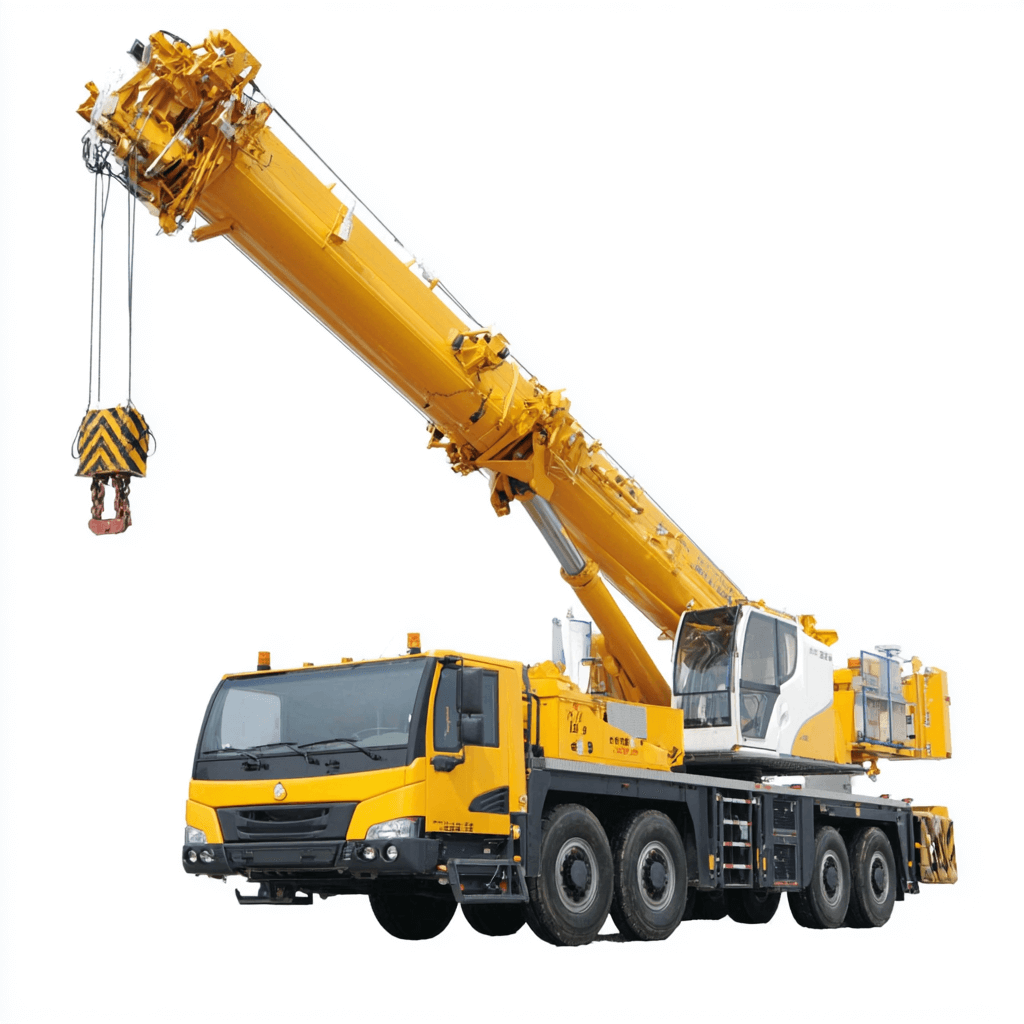
5. Cranes (Mobile & Crawler)
Cranes are essential for lifting and placing heavy loads on construction and industrial sites. Pipe bending supports these machines by routing high-pressure hydraulics and electrical systems through limited space in booms and outriggers.
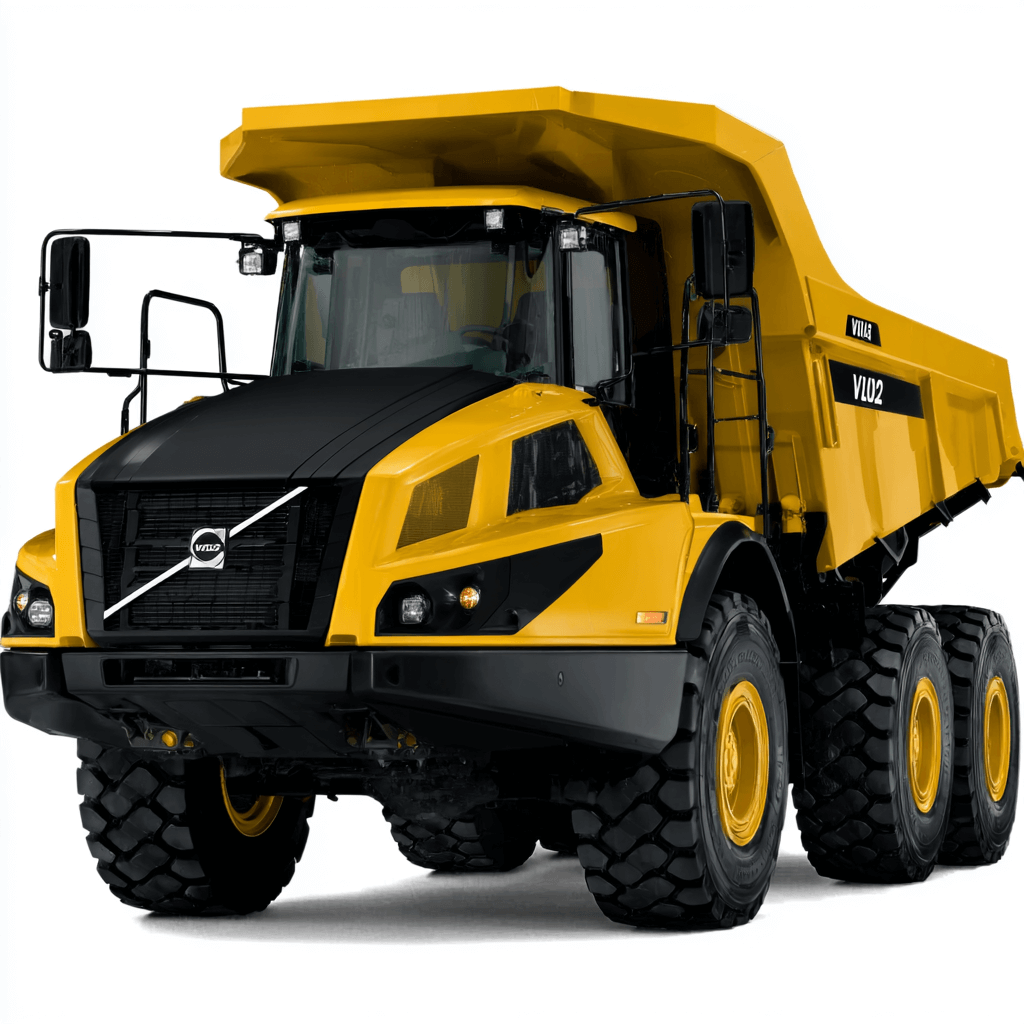
6. Haul Trucks (Mining Trucks)
Massive off-road trucks used in mining operations to transport ore and debris. These trucks rely on high-capacity fuel, hydraulic, and brake systems—all of which benefit from robust, bent steel tubing for long-term performance.
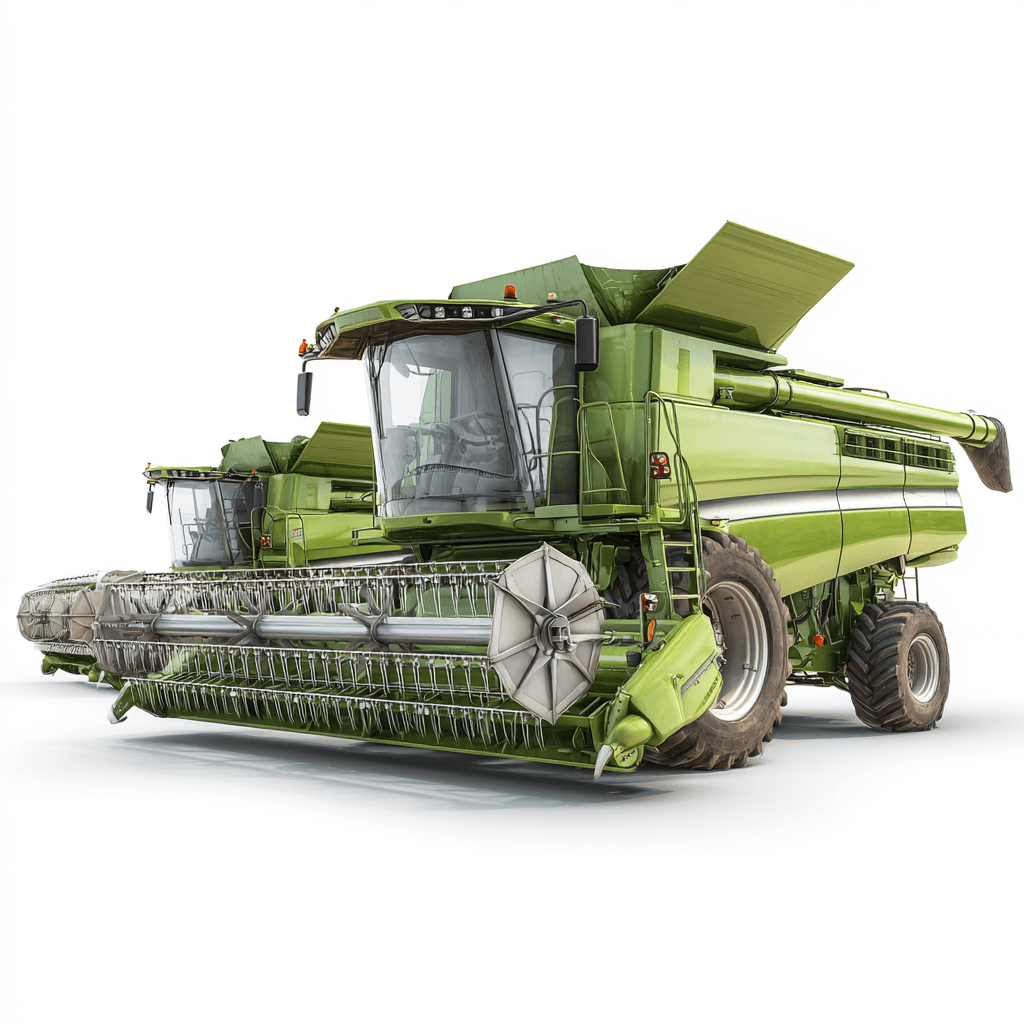
7. Combine Harvesters
Modern farming relies on combines to harvest crops efficiently. With advanced automation and onboard data systems, these machines require compact, reliable pipework for fuel delivery, cooling, and hydraulic control.
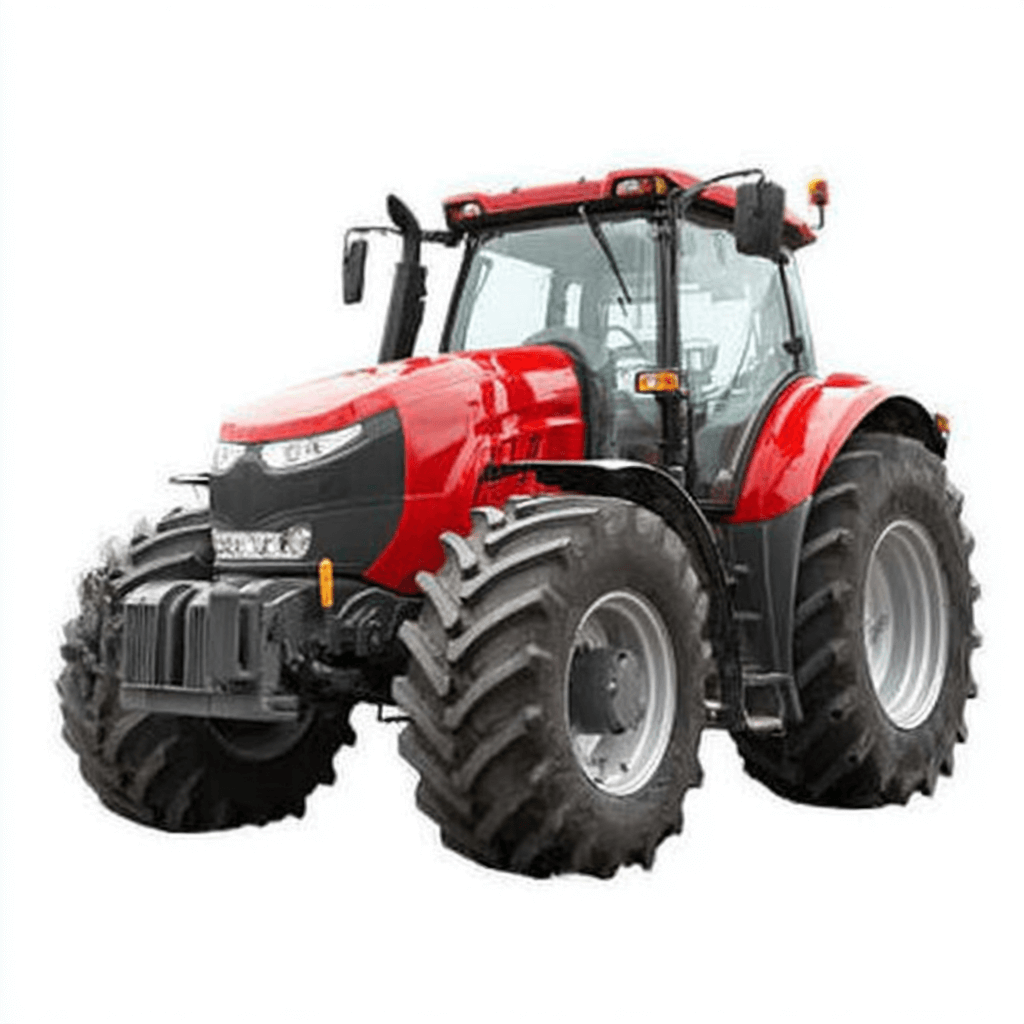
8. Tractors (Standard & Autonomous)
Tractors are the backbone of agricultural machinery. With the rise of autonomous models, precision piping for steering, sensors, and power distribution is more critical than ever to support automated functionality.
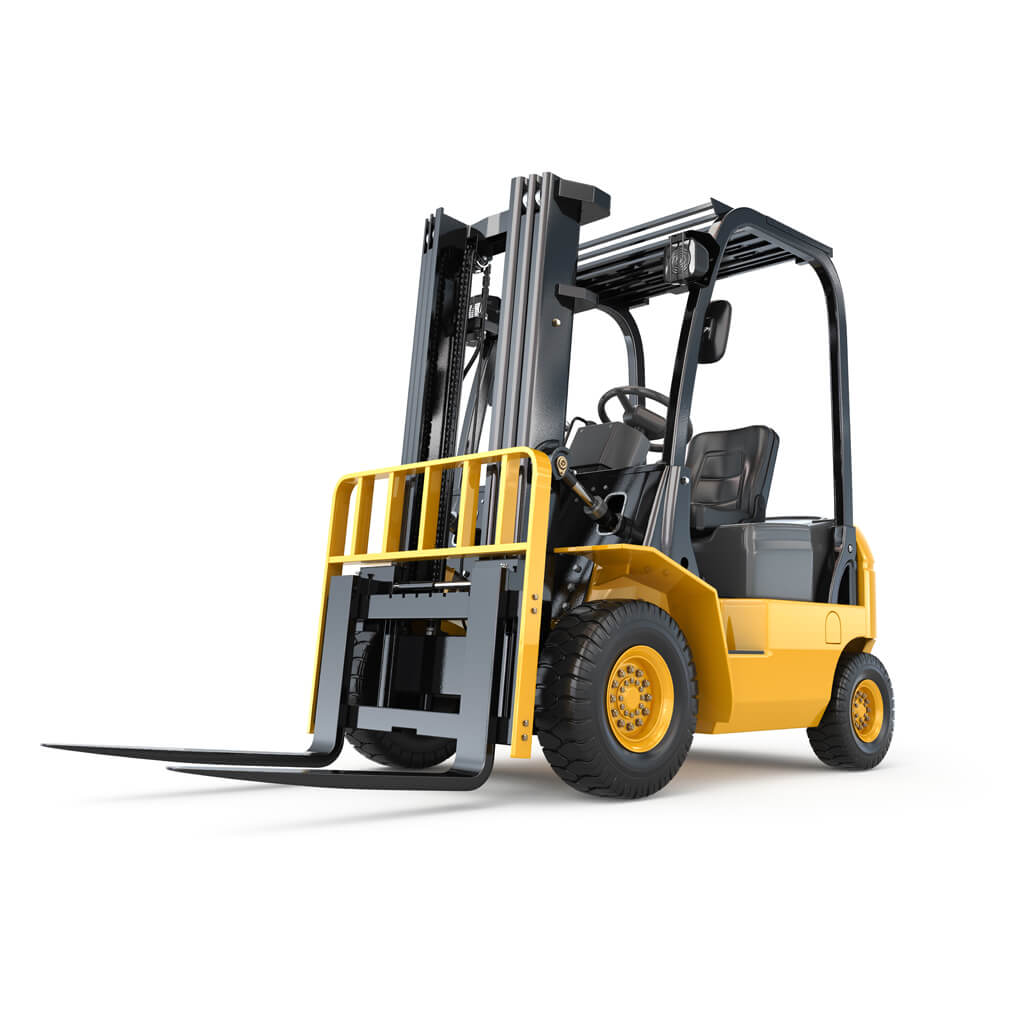
9. Forklifts
Forklifts are vital in warehouses and manufacturing for lifting and transporting materials. They use compact hydraulic systems with tightly routed pipes to deliver reliable lifting performance in narrow spaces.
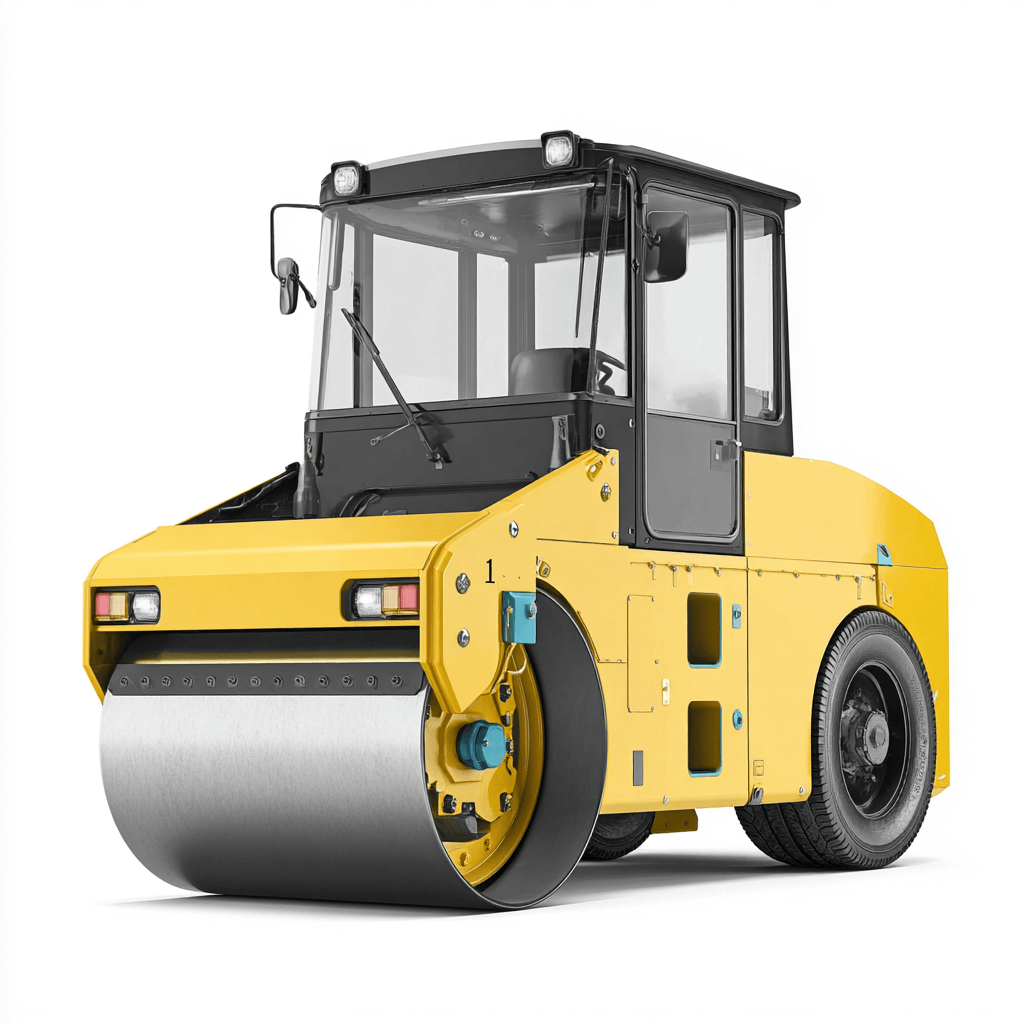
10. Pavers and Rollers
Used in road construction, pavers lay asphalt while rollers compact it. These machines operate under extreme heat and pressure, where properly bent cooling and hydraulic lines are essential to maintain system performance.
Why Automation Matters in Heavy-Duty Equipment
Automation is transforming the way heavy-duty equipment is designed, built, and operated—across industries like construction, mining, agriculture, logistics, and defense. From precision control to sustainability gains, the benefits are wide-reaching. But to support these systems effectively, every component—down to the pipes—must meet higher standards of precision, durability, and design flexibility.
Key Drivers of Automation:
1. Efficiency Through Integrated Systems
Modern heavy-duty machines use automation powered by hydraulic, pneumatic, and electrical subsystems to improve power distribution, control accuracy, and operational speed. From construction excavators to mining haul trucks, these systems require the complex routing of fluids and wiring—often achieved through precision pipe bending that maximizes internal space and minimizes energy loss.
2. Reduced Human Error in Repetitive and High-Risk Tasks
Automation reduces the risk of fatigue-related mistakes in assembly lines or field operations. For example, autonomous loaders or robotic arms in logistics yards perform with consistent accuracy. To support such systems, bent tubing ensures safe, reliable connections—especially for brake lines, steering, and motion control circuits that cannot afford failure.
3. Increased Uptime via Predictive Maintenance
Advanced sensors and control systems now detect wear before it leads to downtime. In this environment, precision-shaped piping enables better component access, standardized replacement parts, and efficient maintenance protocols—critical for industries like agriculture and military, where operational continuity is paramount.
4. Sustainability Through Weight and Material Optimization
As industries aim to lower emissions and reduce environmental impact, automation helps streamline fuel usage and power distribution. Lightweight, bent aluminum or stainless-steel tubing is used to replace bulky welded assemblies, helping meet strict emissions and fuel-efficiency targets without compromising structural integrity.
Industry Impact Highlights
- Construction: Pipe bending supports compact designs in automated excavators, cranes, and concrete pumps where space constraints and high pressures demand flawless tube geometry.
- Mining: Autonomous haulers and drills rely on durable, precision-routed hydraulic lines that can withstand shock, vibration, and corrosive environments.
- Agriculture: Smart tractors and harvesters use bent tubing for variable-rate spraying, GPS-guided hydraulics, and advanced cooling systems in confined chassis spaces.
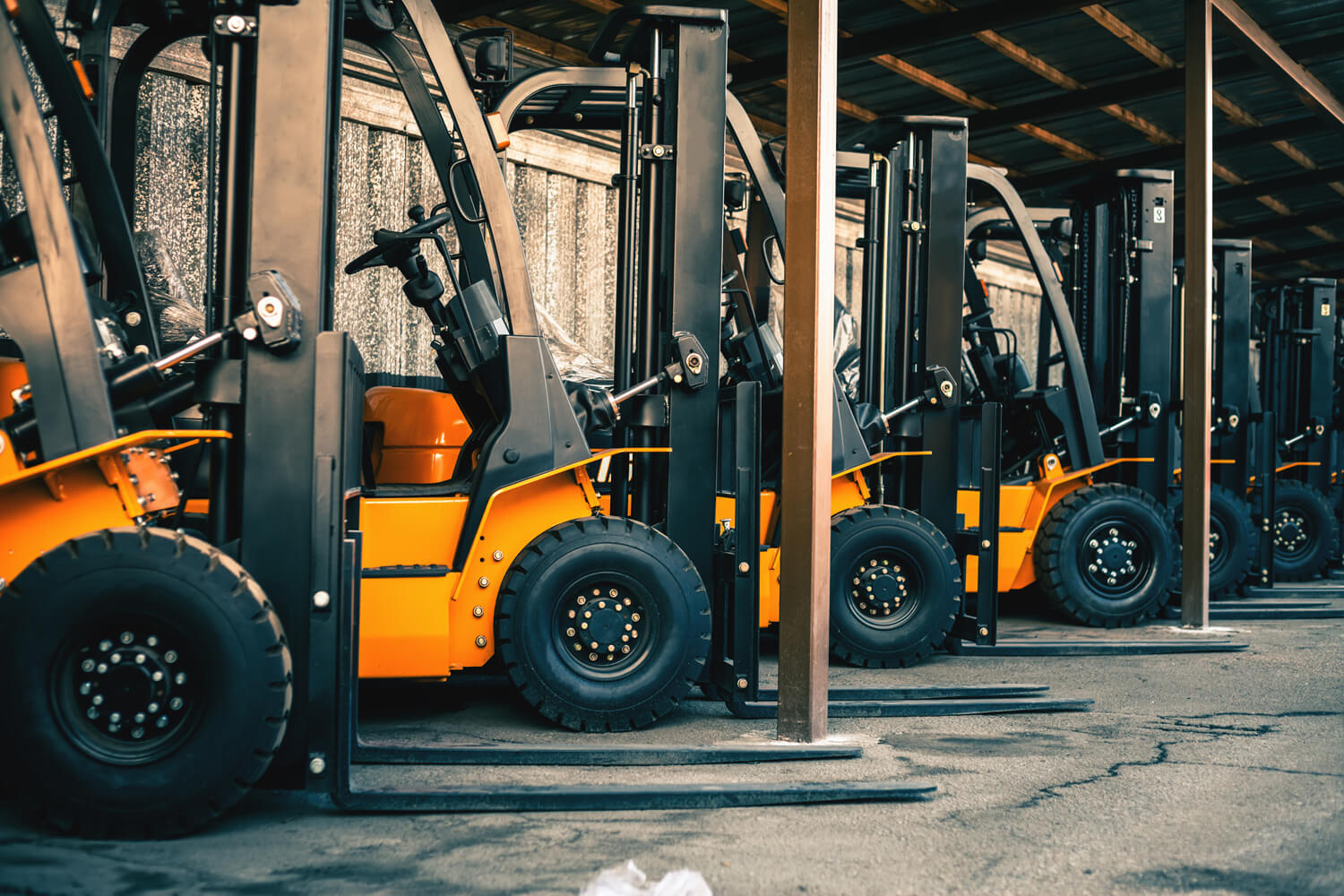
- Logistics & Warehousing: Forklifts and AGVs (automated guided vehicles) benefit from tightly routed brake and power systems that use CNC-bent pipes to reduce failure points.
- Defense: Military-grade automation equipment requires mission-critical fluid and thermal management solutions—delivered through robust, bent tubing designed for extreme conditions.
How Pipe Bending Supports Automated Machinery
Pipe bending plays a hidden but essential role in many systems of modern heavy-duty machines:
1. Hydraulic Systems
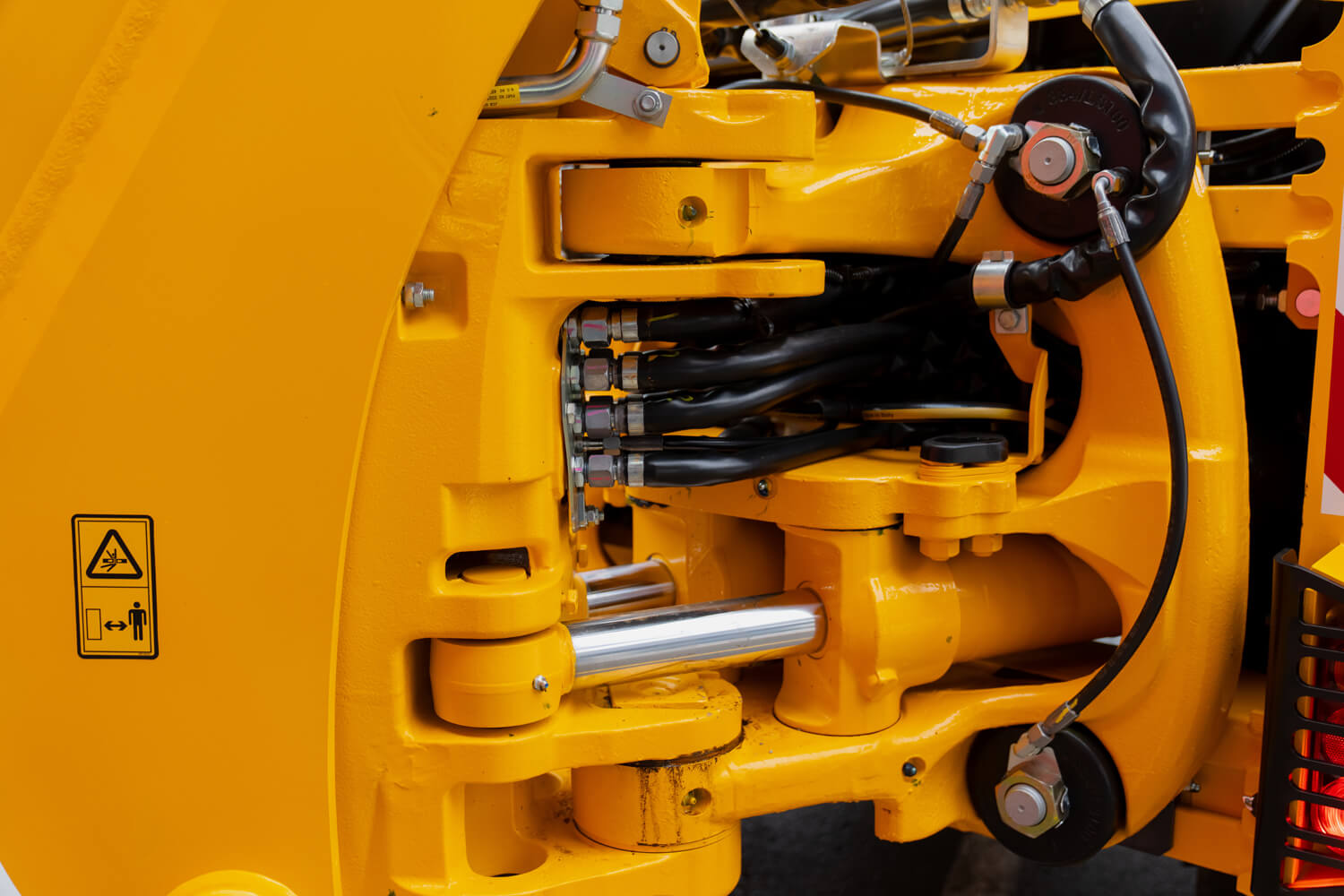
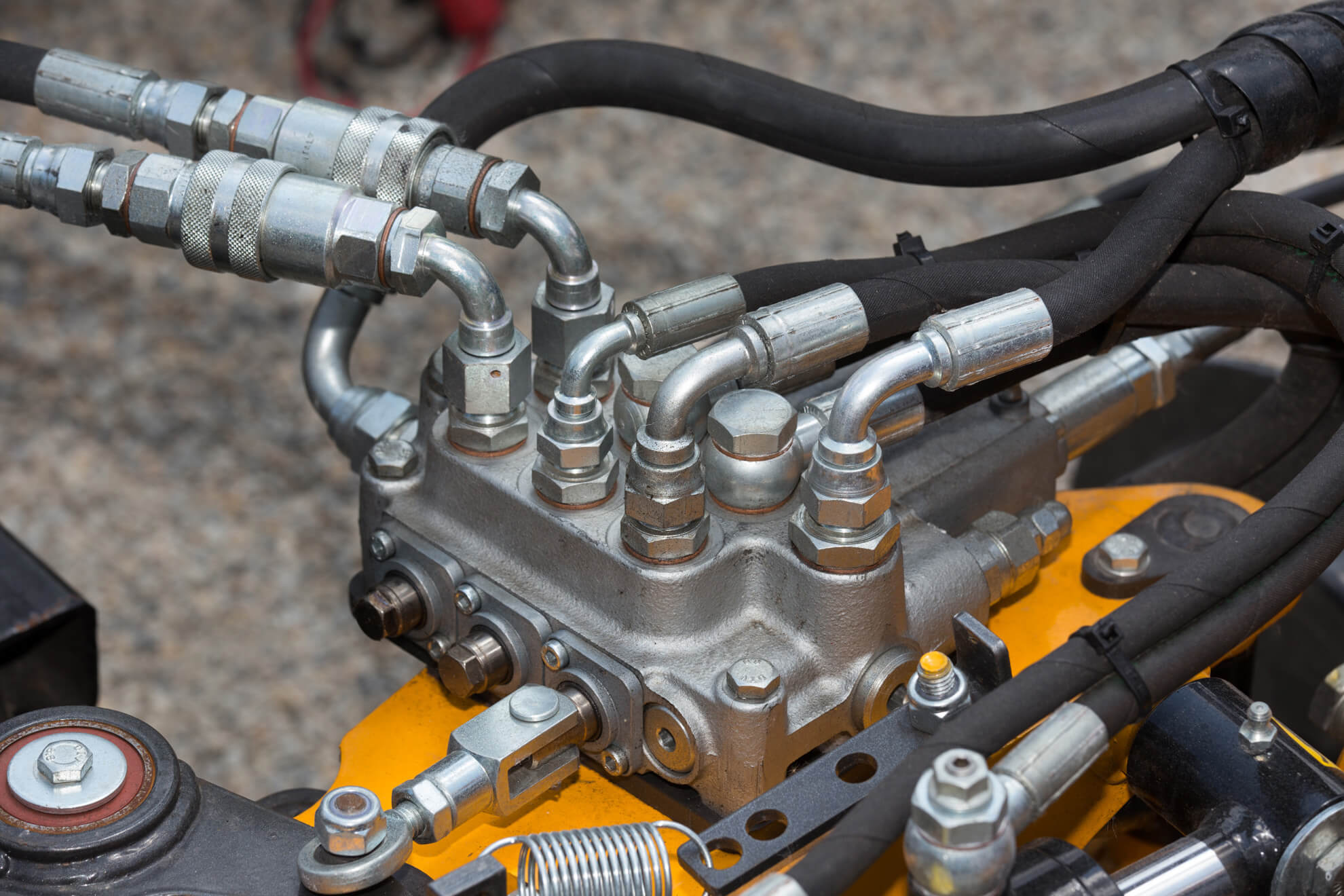
Hydraulic lines must be shaped to fit within tight, complex compartments. Bent pipes reduce the need for joints and fittings, improving:
- Fluid efficiency
- Structural reliability
- Vibration resistance
2. Cooling and Fuel Lines
High-performance engines and electric motors require custom cooling and fuel transfer solutions. Precision-bent pipes:
- Ensure optimized flow rates
- Minimize space usage
- Withstand high pressure and thermal stress
3. Electrical Conduit Routing
As automation introduces more sensors and control systems, electrical conduits need to be routed cleanly. Bent conduit tubes:
- Protect wiring from damage
- Enable safer assembly
- Improve aesthetics and modularity
Partnering with a Pipe Bending Company
To support automated equipment manufacturing, OEMs and Tier 1 suppliers often collaborate with experienced pipe bending specialists. Here's what to look for in a partner:
- CAD & CAM integration for seamless design alignment
- Multi-axis CNC bending for consistent, complex geometries
- Prototyping to production support for both custom parts and scalable volume
- Material flexibility, including carbon steel, stainless steel, aluminum, and alloys
- Welding, brazing, and assembly services to reduce supply chain complexity
An experienced pipe bending company can act as an extension of your engineering team—delivering high-precision parts that meet structural and performance demands.
The Future: Smarter Machines, Smarter Manufacturing
Automation will continue to drive innovation in construction, mining, agriculture, and material handling. As heavy-duty equipment becomes more sophisticated, manufacturers must rely on intelligent design and manufacturing techniques—including the strategic use of bent pipes.
By integrating with a capable pipe bending partner, manufacturers can accelerate innovation, improve build quality, and stay competitive in an evolving industry.
Ready to Collaborate?
If you're developing next-generation automated machinery, now’s the time to explore how precision pipe bending can support your goals. Contact us to discuss your project—we’re ready to support everything from prototyping to full-scale production.
Share it!
Discuss Pipe Bending, Fabrication Project & Possibilities
From technical questions to custom fabrication needs, we’re here to help. Whether you’re exploring materials, need support with FRP or R&D, or just have feedback—reach out and start the conversation.